For FASTag, EV charging is the next big opportunity: Numadic CEO

The introduction of FASTag has almost entirely digitised governance in transport, which was until very recently a 100 per cent cash industry: Numadic CEO
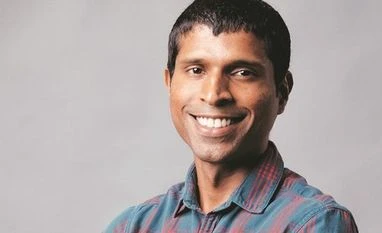
Luke Sequeira
Luke Sequeira, Founder & CEO, Numadic
Thirumoy Banerjee
5 min read Last Updated : Mar 19 2022 | 6:02 AM IST
Months after announcing its partnership with two largest issuers in the FASTag ecosystem — IDFC First Bank Ltd and ICICI Bank — Numadic is now looking to collaborate with electric vehicle-charging networks, and piloting drive-in cinema payments via FASTag pay. Luke Sequeira, chief executive officer and founder of the Goa-based firm, tells Thirumoy Banerjee about the vehicle interface platform’s plans, FASTag’s progress and more. Edited excerpts:

How is FASTag empowering authorities to augment and improve governance in transportation?

The introduction of FASTag has almost entirely digitised governance in transport, which was until very recently a 100 per cent cash industry. From toll payments to collecting fines for traffic violations ... all have been brought within the purview of digital transactions, thereby reducing fraud and malpractices. Moving computing tasks to smart devices and solutions that support the FASTag payment systems have the potential to eliminate toll evasion.

What are some of the key innovations in autonomous mobility being enabled through FASTag?

Digital payment innovations in fuel and electric vehicle-charging (EV-charging) payments through FASTag are enabling a contactless experience for customers. Besides, there is improved visibility on traffic movement in enabling planning infrastructure projects better.

What is the next big innovation in automated digital payments that Numadic aims to achieve?

We are leading the charge in digitising automated fuel payment via FASTag through ongoing projects with Indian Oil Corporation and Hindustan Petroleum Corporation.

As India’s EV sector continues to see growth and adoption, empowering this transition through digital solutions will drive industry innovation. We are working on partnerships with EV-charging networks to help them streamline and accept FASTag-based payments. This removes the hassle of their users requiring to maintain two separate wallets. Alongside Kotak Mahindra Bank, we are piloting drive-in cinema payments via FASTag pay.

There have been reports that apart from Hindustan Petroleum Corporation and Indian Oil Corporation, two other oil marketing companies (OMCs) are expected to go live on Numadic’s “Nu Fuel” platform. Which are these companies?

The platform enables contactless fuel payments at these stations. We cannot disclose the names because talks are on.

By when are they looking to expand FASTag to EV-charging outlets and theatres? Any major EV-charging network that Numadic is in talks with?

The EV market is predicted to see a compound annual growth rate (CAGR) of 90 per cent and touch $150 billion by 2030. We are approaching EV-charging companies such as Pulse Energy.

EV-charging is the next big opportunity after fuelling. With India planning to go all-electric by 2030, we have companies that are setting up large-scale EV-charging stations, some of them at existing fuel stations. The OMCs have announced setting up 22,000 EV-charging stations in prominent cities and on national highways across the country.

How can FASTag integrate with financial institutions to harmonise vehicle transactions for consumers?

Accelerated digital transformation is one that will continue to drive the transportation supply chain. FASTags have catalysed this trend because they are issued directly by banks and integrate seamlessly with bank systems and accounts. 

How do you see your firm bridge the digital divide between tech-savvy, young urban generations and the older generations in a country like India?

Over 75 per cent of FASTag users are commercial vehicle owners, many of whom aren’t young and are not based in metros. The transition to digital has historically been difficult for those in the trucking and logistics sectors because of complex operational processes, largely built on older technologies that are better suited to more manual and paper-driven processes. However, our technologies, with their ease of access and use, have the potential to bring this section into the digital bandwagon.

India is fraught with challenges when it comes to seamless technological penetrations, especially in rural belts. Do you see that as a challenge or an opportunity?

On the contrary, according to a recent report of the Internet and Mobile Association of India, India’s rural internet user base is growing over three times faster and is quickly catching up to surpass the urban user base. We have helped a lot of traditional small and large freight companies streamline their vehicle payments management through our apps and APIs. We have also made it easier for them to estimate toll and trip costs to track their vehicles via FASTag. We are also working on offline apps that can be used in rural belts where the performance can be hampered by limited bandwidth in these regions.

What’s the approximate valuation of Numadic, and how much has it raised so far through funding, especially in the recent past?

Our current valuation is $20 million, based on pre-series A in October 2021. The funding round before the current one was in June 2021 at a $11-million valuation.

How do you differentiate Numadic from other players in the space?

The biggest differentiator is that we are making payment possible through a car wallet (FASTag wallet) instead of only providing automotive solutions. We are pioneering a new payment interface that is a vehicle payment interface (VPI) and exploring options that can be integrated with existing applications and interfaces, which will empower the future of autonomous mobility. This interface works across multiple automotive manufacturers.

Numadic builds atop the FASTag network, which does not need the end user to buy or invest in any additional technology or infrastructure, as opposed to other automotive solutions providers.

One subscription. Two world-class reads.

Already subscribed? Log in

Subscribe to read the full story →
*Subscribe to Business Standard digital and get complimentary access to The New York Times

Smart Quarterly

₹900

3 Months

₹300/Month

SAVE 25%

Smart Essential

₹2,700

1 Year

₹225/Month

SAVE 46%
*Complimentary New York Times access for the 2nd year will be given after 12 months

Super Saver

₹3,900

2 Years

₹162/Month

Subscribe

Renews automatically, cancel anytime

Here’s what’s included in our digital subscription plans

Exclusive premium stories online

  • Over 30 premium stories daily, handpicked by our editors

Complimentary Access to The New York Times

  • News, Games, Cooking, Audio, Wirecutter & The Athletic

Business Standard Epaper

  • Digital replica of our daily newspaper — with options to read, save, and share

Curated Newsletters

  • Insights on markets, finance, politics, tech, and more delivered to your inbox

Market Analysis & Investment Insights

  • In-depth market analysis & insights with access to The Smart Investor

Archives

  • Repository of articles and publications dating back to 1997

Ad-free Reading

  • Uninterrupted reading experience with no advertisements

Seamless Access Across All Devices

  • Access Business Standard across devices — mobile, tablet, or PC, via web or app

Topics :FASTagElectric VehiclesCharging

Next Story



