Bull market doesn't bode well for bourses' stocks; MCX sheds over 4%

Brokerages expect a better show in FY20
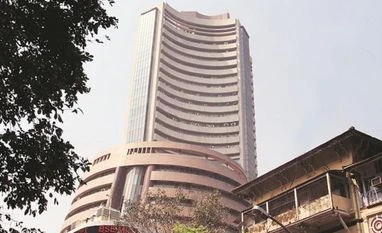
sensex, bse
BSE
Hamsini Karthik
3 min read Last Updated : Jun 03 2019 | 11:02 PM IST
The BSE Sensex may be at an all-time high of 40,000 and likewise trades at the Multi Commodity Exchange (MCX) may have picked up sharply in the past year, but not all of this is reflecting in the underlying stocks of the BSE or the MCX. 

With the National Stock Exchange (NSE) neck-deep in litigation, stocks of the BSE and the MCX (given NSE’s acquisition plans) were set to benefit from the same about a month back. 

But this proposition hasn’t worked well. While the BSE stock was seen flat in May, the MCX shed over 4 per cent in a month. Despite being celebrated initial public offerings (IPOs), both trade well below their listing prices — about 21–23 per cent lower. 

Inconsistent fundamentals are to be blamed for the dismal stock performance. For instance, the BSE closed 2018-19 (FY19) with a revenue decline of 6 per cent and net profit fall of 41 per cent adjusted for one-offs. An all-round 13–25-per cent revenue decline across key categories such as transaction charges and treasury income, along with a mere 5 per cent increase in listing fee, led to a sharp fall in revenue. 

Being a cash market-led exchange, its share in total cash market transactions fell from 23 per cent in March 2017 to 8.8 per cent in March 2019 — another factor significantly weighing on the BSE. 

 
It needs to be seen if the 20 per cent hike in listing fees, along with recent investments for future growth such as INX, insurance distribution, StAR MF and small medium enterprises trading, can bolster growth. Analysts at HDFC Securities are confident of 13-per cent revenue growth, thanks to its diversification. 

For MCX, given its leadership and strong trading volumes, the problem until recently was different — that of maintaining consistent growth. What is helping is the growing interest in crude oil and gold futures, which helped the commodity exchange close FY19 with revenue growth of 20 per cent and net profit growth of 35 per cent. 

Analysts at ICICI Securities say that with mutual funds and portfolio management services allowed to participate in commodity trading, it will allow liquidity in far-month contracts — a factor currently absent in India. 

Whether these recent strategic developments at the MCX and the BSE are enough to rekindle investor interest in these stocks is to be watched out for in the current financial year (2019-20).


One subscription. Two world-class reads.

Already subscribed? Log in

Subscribe to read the full story →
*Subscribe to Business Standard digital and get complimentary access to The New York Times

Smart Quarterly

₹900

3 Months

₹300/Month

SAVE 25%

Smart Essential

₹2,700

1 Year

₹225/Month

SAVE 46%
*Complimentary New York Times access for the 2nd year will be given after 12 months

Super Saver

₹3,900

2 Years

₹162/Month

Subscribe

Renews automatically, cancel anytime

Here’s what’s included in our digital subscription plans

Exclusive premium stories online

  • Over 30 premium stories daily, handpicked by our editors

Complimentary Access to The New York Times

  • News, Games, Cooking, Audio, Wirecutter & The Athletic

Business Standard Epaper

  • Digital replica of our daily newspaper — with options to read, save, and share

Curated Newsletters

  • Insights on markets, finance, politics, tech, and more delivered to your inbox

Market Analysis & Investment Insights

  • In-depth market analysis & insights with access to The Smart Investor

Archives

  • Repository of articles and publications dating back to 1997

Ad-free Reading

  • Uninterrupted reading experience with no advertisements

Seamless Access Across All Devices

  • Access Business Standard across devices — mobile, tablet, or PC, via web or app

Next Story



