Affordable Covid-19 vaccines will test world's intellectual property regime

An intellectual property regime that is not flexible enough to manage the coronavirus crisis is one that will break under the weight of that techno-dystopia.
moderna, covid, vaccine, pharma, coronavirus, medicine, drugs, medical research, covid, lab
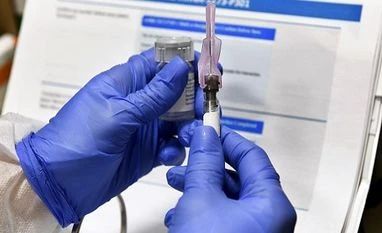
In this July 27, 2020, file photo, a nurse prepares a shot that is part of a possible Covid-19 vaccine, developed by the National Institutes of Health and Moderna Inc., in Binghamton, N.Y. (AP Photo/Hans Pennink, File)
Mihir S Sharma
5 min read Last Updated : Nov 24 2020 | 2:02 PM IST
The world is unequal enough and the Covid-19 pandemic threatens to make things more unequal still. Poorer countries have had to take on debt they will struggle to pay back. Their more fragile healthcare systems and crowded cities forced them into stricter and more economically harmful lockdowns, and poverty rates have risen dramatically. Now, they rightly fear a staggered recovery from the pandemic will further disadvantage them, given how expensive vaccine rollouts look to be.

It should not be surprising then that several developing countries, led by India and South Africa, argued last week at the World Trade Organization’s intellectual property rights council that IPR-related payments should be suspended for the duration of the pandemic for Covid-19 related vaccines, therapeutics and equipment. They worry about “intellectual property rights hindering or potentially hindering timely provisioning of affordable medical products” to their citizens.

The full council will meet on the subject in December. Whatever the outcome, the bid is a shot across the bow of the current IPR system. The issue isn’t just about getting poor countries access to vaccines. It is about allowing them to choose the vaccine that best suits their populations and infrastructure, and ensuring that they get enough doses quickly enough that they don’t have to wait until 2024 to resume normal life while the West and China move forward.

At one level, the current petition clearly amounts to overkill. There’s no reason for all pandemic-related IPR to be suspended. Few developing countries will be interested, for example, in the vaccine produced by Moderna Inc., which requires the sort of super-cooled storage facilities they would struggle to build.


Most had already bet big on the vaccine from AstraZeneca Plc and the University of Oxford, which the company has promised to sell at cost to many developing countries. With news this weekend that the vaccine was, on average, 70% effective against preventing Covid-19, any argument that a wholesale suspension of property rights is needed to prevent poor-country taxes flowing into Big Pharma’s coffers begins to sound quite thin.

Yet the fact remains that if those capital flows are forced to materialize — if not for vaccines, then as royalties for therapeutic treatments or cutting-edge tests — then developing countries can and will revolt. We need to ensure poorer countries aren’t pushed to their limits if we want to avoid a breakdown in the global acknowledgement of IPR that would set back innovation worldwide.

This is the first test of importance that the global intellectual property system has faced — and it will not be the last. A future in which owners of algorithms, capital, data or platforms in the West exact unending rents from consumers and governments in poorer countries is far less likely than a wholesale repudiation of their right to do so by the rest of the world. An intellectual property regime that is not flexible enough to manage this crisis is one that will break under the weight of that techno-dystopia.


In other words, it is in everyone’s interest — including the residents of the world’s poorest countries, who depend upon innovation in the world’s richest nations to improve their lives — to head off this disgruntlement before it has a chance to gather political momentum. Some corporations recognize this. AstraZeneca, for example, has promised not to profit off the vaccine as long as Covid-19 is a pandemic (though how they will declare the pandemic is at an end remains mysterious).

Some rich-country leaders do as well. Boris Johnson hosted a global vaccine conference and the United Kingdom has so far committed $700 million to the shared vaccine fund, COVAX. French President Emmanuel Macron has helped set up the Access to Covid-19 Tools Accelerator, or ACT-A, which offers the best chance of distributing not just vaccines, but also diagnostic tests and therapeutic treatments.

Yet most rich-country governments have produced pandemic-response packages that are sharply nationalist and inward-looking in nature. ACT-A’s $38 billion budget is less than 1%  of the amount that the Western world has committed to its lavish stimulus packages. And still Macron’s initiative is struggling for cash, having raised only $3 billion so far.

The biggest culprit has been the United States. Neither President Donald Trump nor Democrats in Congress have shown any interest in helping fund this effort, even though the country’s hopes for future prosperity depend on a functional global IPR system. If President-elect Joe Biden wants to demonstrate that the U.S. is once again a good-faith contributor to global efforts, he could start by promising that his administration will do what’s needed to ensure that ACT-A is fully funded. If the U.S. takes a back seat even under Biden, its hopes of recovering global respect and leadership will be truly finished.

One subscription. Two world-class reads.

Already subscribed? Log in

Subscribe to read the full story →
*Subscribe to Business Standard digital and get complimentary access to The New York Times

Smart Quarterly

₹900

3 Months

₹300/Month

SAVE 25%

Smart Essential

₹2,700

1 Year

₹225/Month

SAVE 46%
*Complimentary New York Times access for the 2nd year will be given after 12 months

Super Saver

₹3,900

2 Years

₹162/Month

Subscribe

Renews automatically, cancel anytime

Here’s what’s included in our digital subscription plans

Exclusive premium stories online

  • Over 30 premium stories daily, handpicked by our editors

Complimentary Access to The New York Times

  • News, Games, Cooking, Audio, Wirecutter & The Athletic

Business Standard Epaper

  • Digital replica of our daily newspaper — with options to read, save, and share

Curated Newsletters

  • Insights on markets, finance, politics, tech, and more delivered to your inbox

Market Analysis & Investment Insights

  • In-depth market analysis & insights with access to The Smart Investor

Archives

  • Repository of articles and publications dating back to 1997

Ad-free Reading

  • Uninterrupted reading experience with no advertisements

Seamless Access Across All Devices

  • Access Business Standard across devices — mobile, tablet, or PC, via web or app

Topics :Coronavirus VaccinePfizerAstraZeneca

Next Story



