The process for listeners is equally complex and speedy. We hear sounds, which we separate into speech and non-speech information, combine the speech sounds into words, and determine the meanings of these words. Again, this happens nearly instantaneously, and errors rarely occur.
These processes are even more extraordinary when you think more closely about the properties of speech. Unlike writing, speech doesn’t have spaces between words. When people speak, there are typically very few pauses within a sentence.
Yet listeners have little trouble determining word boundaries in real time. This is because there are little cues – like pitch and rhythm – that indicate when one word stops and the next begins.

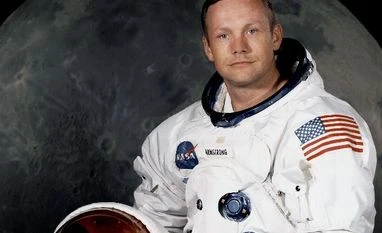 "'One small step for a man': Did we mishear Armstrong's first words on Moon?")










 Connect with us on WhatsApp