Monetary Policy: RBI may cut rates, turn 'accommodative' after dismal GDP

The RBI had retained its 'neutral' stance after the rate cut in April but traders said a change in this stance to 'accommodative' will be more comforting for markets
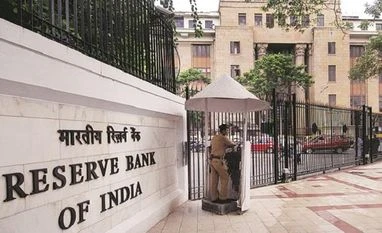
reserve bank of india
Beginning a three day review on Tuesday, the RBI’s six-member monetary policy committee (MPC) can draw comfort from subdued inflation
Reuters
4 min read Last Updated : Jun 04 2019 | 9:20 AM IST
A worrying slowdown in India’s economy makes a cut in the Reserve Bank of India’s benchmark interest rate highly likely this week, but analysts say policymakers should also find ways to boost banks’ liquidity to ensure they drop their lending rates too.

Beginning a three day review on Tuesday, the RBI’s six-member monetary policy committee (MPC) can draw comfort from subdued inflation. Running at 2.92 % annually in April, it has stayed below the medium term target of 4% for the past nine months.

Two-thirds of 66 economists polled by Reuters expect the MPC to wrap up on Thursday by cutting the repo rate by 25 basis points, but that survey was taken even before India released far worse than expected economic growth numbers, so expectations for a cut have probably hardened.

If they are right, and the RBI does lower the repo rate to 5.75% it will be the third meeting in a row since February that India has cut interest rates. The last time it moved this quickly to lower rates was in 2013 to revive the moribund economy from growth rates that had slipped to a decade low.

The trouble is banks are laden with bad debt and are scared of losing customers if they cut deposit rates, constraining their ability to cut lending rates despite all the prods from the RBI.

State Bank of India, the country’s largest lender by assets, has cut its key lending rate by only 10 basis points in response to the 50 bps cuts by the RBI.

A series of defaults at lender Infrastructure Leasing and Financial Service Ltd last year has raised concerns about the country’s shadow banking industry with other lenders also facing trouble accessing capital and rating downgrades.

The RBI had retained its “neutral” stance after the rate cut in April but traders said a change in this stance to “accommodative” will be more comforting for markets than just a rate cut, especially after the recent GDP numbers.

“Liquidity woes in banking system are far from over,” said Lakshmi Iyer, Chief Investment Officer (Debt) at Kotak Mahindra Asset Management Company.

“Given the global as also domestic scenario, the MPC may well choose to gratify the markets with a benchmark rate cut. What is more important for markets is the MPC guidance than the actual rate action.”

The economy really does need help.

Data out on Friday showed annual economic growth running at 5.8% in the January-March quarter, sharply down from 6.6% in the previous quarter, well below forecasts and the slowest in more than four years.

“The market is expecting RBI to cut the rates by at least 25 basis points, and we will not be surprised if they decide to cut the rate by even 50 bps, to infuse liquidity and push growth,” said Romesh Tiwari, head of research at CapitalAim.

FISCAL, RAIN AND OIL UNCERTAINTIES

Re-elected last month for a second term regardless of the slowdown, Prime Minister Narendra Modi needs to stop the rot, and his economic strategists are working on big-bang reforms.

New Finance Minister Nirmala Sitharaman is due to present a budget on July 5 that many analysts expect to be expansionary, though the she cannot afford to let the deficit slip too much.

Until then the RBI will have to live with the uncertainty over the new minister’s fiscal plans, while knowing that when the government does boost spending it will go some way to boosting banks’ liquidity.

Also, the effect of the drain on banks’ liquidity from political parties’ demand for cash during the election campaign should begin to fade.

Oil prices and the monsoon rains are less predictable. The central bank had lowered its Jan-March 2020 inflation forecast to 3.8 percent but warned it could be higher if food and fuel prices rise abruptly or if the fiscal deficit overshoots targets.

One subscription. Two world-class reads.

Already subscribed? Log in

Subscribe to read the full story →
*Subscribe to Business Standard digital and get complimentary access to The New York Times

Smart Quarterly

₹900

3 Months

₹300/Month

SAVE 25%

Smart Essential

₹2,700

1 Year

₹225/Month

SAVE 46%
*Complimentary New York Times access for the 2nd year will be given after 12 months

Super Saver

₹3,900

2 Years

₹162/Month

Subscribe

Renews automatically, cancel anytime

Here’s what’s included in our digital subscription plans

Exclusive premium stories online

  • Over 30 premium stories daily, handpicked by our editors

Complimentary Access to The New York Times

  • News, Games, Cooking, Audio, Wirecutter & The Athletic

Business Standard Epaper

  • Digital replica of our daily newspaper — with options to read, save, and share

Curated Newsletters

  • Insights on markets, finance, politics, tech, and more delivered to your inbox

Market Analysis & Investment Insights

  • In-depth market analysis & insights with access to The Smart Investor

Archives

  • Repository of articles and publications dating back to 1997

Ad-free Reading

  • Uninterrupted reading experience with no advertisements

Seamless Access Across All Devices

  • Access Business Standard across devices — mobile, tablet, or PC, via web or app

Next Story



