The Reserve Bank of India’s (RBI’s) decision to defer the implementation of revised NPA norms by six months for finance companies will save them from the burden of making additional provisions, especially in the fourth quarter ending March 2022 (FY22).
Krishnan Sitaraman, senior director and deputy chief ratings officer, CRISIL Ratings, said the RBI’s move is a respite for non-banking financial companies (NBFCs), especially those into vehicle, MSME and unsecured lending. The norms, notified on November 12, 2021, had led to an uptick in reported GNPAs of NBFCs in the December quarter. A deferral would curb that trend, and support their March 2022 quarter financials.
“The extension to September 2022 will give some breather to NBFCs’ bottom line in Q4FY22. It could have been helpful if the measures to extend the revised asset classification and provisioning norms had come with the RBI circular on November 12, 2021,” said YS Chakravarti, MD & CEO, Shriram City.
Most NBFCs have already absorbed the impact in the results in the third quarter of FY22. The clarification by the RBI only defers the adoption of the new norm. Reversing of provisions already made, although now permitted, is unlikely to be the route that NBFCs may follow due to accounting complexities, he added.
Mahesh Thakkar, director general, Finance Industry Development Council (FIDC), said, “This is good for the industry. The financial year closure is approaching, so firms will not be adversely affected. NBFCs will be able to provide, realign and also educate customers.”
There are issues such as keeping small accounts out of the ambit of these rules, which are yet to be addressed, he added.
Clarifying lenders’ queries on asset classification, the RBI in a notification said the definition of “out of order” will apply to all loans offered as an overdraft facility. This includes overdraft not meant for business purposes and also those that entail interest repayments as the only credits.
The “previous 90 days period” for determining “out of order” status of a cash credit and overdraft account will include the day for which the day-end process is being run.
Also, when borrowers have more than one credit facility with the lender, they have to repay the entire arrears — interest and principal for the credit facilities — to upgrade the account from non-performing asset to standard asset category.

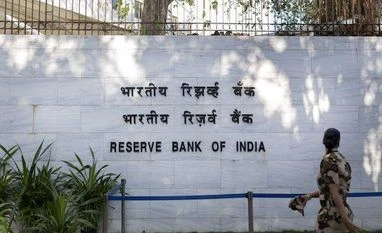 "RBI move to defer revised NPA norms eases provision burden in Q4")












 Connect with us on WhatsApp