Anthony Bourdain, Spade suicides highlight need for new depression drugs

The news shocked fans and came as US health authorities reported a sharp spike in suicide rates across the country since the beginning of the century
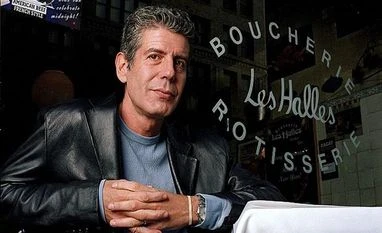
Anthony Bourdain
On Friday, June 8, 2018, Bourdain was found dead in his hotel room in France, while working on his CNN series on culinary traditions around the world. (Photo: AP/PTI)
Reuters Chicago
Last Updated : Jun 09 2018 | 9:14 PM IST
The suicides this week of Anthony Bourdain and Kate Spade have cast fresh light on the need for more effective treatments for major depression, an area that has been largely abandoned by big pharmaceutical companies.

The news shocked fans and came as U.S. health authorities reported a sharp spike in suicide rates across the country since the beginning of the century. They called for a comprehensive approach to addressing depression and other contributing factors.

With the availability of numerous cheap generic antidepressants, many of which offer only marginal benefit, developing medicines for depression is a tough sell.

Drugmakers have 140 therapies in development targeting mental health issues, including 39 aimed at depression, according to the Pharmaceutical Research and Manufacturers of America trade group. That compares with the industry’s work on some 1,100 experimental cancer drugs, which can command some of the highest prices.

“Psychiatry has become a disfavored area for investment,” said Harry Tracy, whose newsletter NeuroPerspective tracks developments in drug treatments for psychiatric problems. “Insurers say ‘why should we pay more for a new treatment?’”

Developing antidepressants is risky. Patients in clinical trials often show a big placebo response, masking the efficacy of the drug being tested. In addition, once approved, antidepressants require a large sales force to reach psychiatrists as well as primary care providers.

Another impediment is the difficulty of conducting early depression research on animals that could form a basis for trials in people.

This has been a big challenge to translate over to human clinical trials,” said Caroline Ko, project leader of NewCures, a newly formed program at Northwestern University aimed at reducing the risk of investment in treatments for depression, pain, Parkinson’s and other diseases.

Johnson & Johnson is the only large pharmaceutical company making a major investment in a new antidepressant, Tracy said. Smaller players include Sage Therapeutics, which expects a decision from U.S. regulators on a treatment for post-partum depression by the end of the year.

J&J’s esketamine targets treatment-resistant depression. It is similar to ketamine, which is used as an anesthetic and to relieve pain, and often abused as a recreational party drug with the street nickname Special K.

The company expects to file for U.S. Food and Drug Administration approval of esketamine this year.

Dr. Husseini Manji, global head of neuroscience at J&J’s Janssen unit, said there is great need for new treatments as about half of people with depression fail to respond to current therapies.

He believes esketamine, a rapid-acting nasal spray, will narrow the time it takes for patients to see a benefit.

“Standard antidepressants can take weeks to work. They really are not useful in a crisis situation,” said Carla Canuso, who is leading J&J’s effort testing the drug in people deemed at imminent risk for suicide, which is most commonly associated with depression.

Allergan Plc is developing rapastinel, a fast-acting intravenous antidepressant the company purchased in 2015.

The drug has breakthrough therapy designation from the FDA, with clinical trial results expected in early 2019. Last month, the company acquired another depression drug from its collaborator Aptinyx. Dr. Julie Goldstein Grumet, a behavioral health expert from the Suicide Prevention Resource Center, said besides Bourdain and Spade, 122 people in the United States took their lives by suicide each day last week. Many were never even diagnosed with a mental illness.

“We’re missing opportunities to screen people for the risk of suicide,” she said.

One subscription. Two world-class reads.

Already subscribed? Log in

Subscribe to read the full story →
*Subscribe to Business Standard digital and get complimentary access to The New York Times

Smart Quarterly

₹900

3 Months

₹300/Month

SAVE 25%

Smart Essential

₹2,700

1 Year

₹225/Month

SAVE 46%
*Complimentary New York Times access for the 2nd year will be given after 12 months

Super Saver

₹3,900

2 Years

₹162/Month

Subscribe

Renews automatically, cancel anytime

Here’s what’s included in our digital subscription plans

Exclusive premium stories online

  • Over 30 premium stories daily, handpicked by our editors

Complimentary Access to The New York Times

  • News, Games, Cooking, Audio, Wirecutter & The Athletic

Business Standard Epaper

  • Digital replica of our daily newspaper — with options to read, save, and share

Curated Newsletters

  • Insights on markets, finance, politics, tech, and more delivered to your inbox

Market Analysis & Investment Insights

  • In-depth market analysis & insights with access to The Smart Investor

Archives

  • Repository of articles and publications dating back to 1997

Ad-free Reading

  • Uninterrupted reading experience with no advertisements

Seamless Access Across All Devices

  • Access Business Standard across devices — mobile, tablet, or PC, via web or app

Next Story



