IL&FS default has severely hit investor trust, says Sebi chairman Tyagi

Tyagi calls for better monitoring of end use of funds
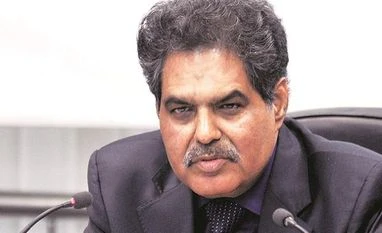
Ajay Tyagi, Sebi chairman
Samie Modak Mumbai
Last Updated : Oct 25 2018 | 12:13 AM IST
The default by IL&FS has “severely” impacted the trust and confidence of investors, said Ajay Tyagi, Chairman of Securities and Exchange Board of India (Sebi).

“Trust and consequently investors’ confidence has been severely impacted due to developments in the recent months, particularly as a result of default by a large entity,” he said, without naming the infrastructure financier. 

IL&FS’ failure to obey repayment obligations has triggered panic in both debt and equity markets, with investors fretting over cascading effects of the default. 

“One of the issues this episode has brought out is the interconnectedness arising as a result of complex corporate subsidiary structures, and how the maze of subsidiaries facilitate masking the end use of funds,” Tyagi said, emphasising the need for proper monitoring of end use of funds.

Tyagi said recent developments have impacted mobilisation through the corporate bond market, but bond markets nevertheless remain the most viable option for financing in the long run.

“Of course, volatility in bond yields in the last few months has roiled the markets, thereby impacting the raising of bonds. However, in the medium-to-long term, there seems to be no other option but to shift from bank financing of projects to bond funding,” said the Sebi chief.

Tyagi highlighted several demands and supply side issues plaguing development of the bond market. The concentration of a few issuers, lack of appetite for low-rated bonds, and a dearth of long-tenure bonds, remain key supply-side constraints, he said.

At present, corporates, non-banking financial companies (NBFCs), and housing finance companies account for 86 per cent of the outstanding corporate bonds. Also, 90 per cent of the bonds issued are rated AA and above. 

“The market has a very narrow bandwidth to absorb issues below AA rating,” said Tyagi. Further, a majority of corporate bond issuances are from 2-5 years and there is not much to cater to long-term investors, unlike in the case of insurance and retirement funds. Tyagi said Sebi, the Reserve Bank of India, and the government have, in the recent past, taken steps to address these issues.

Lack of participation of individual investors and “many nuances” of corporate bonds are among key demand-side issues, Tyagi said.

“In addition to credit rating, there are several other factors that influence the risk-return matrix in corporate bonds, which include whether a particular bond is secured or unsecured, liquid or illiquid, issued by a one-time issuer or perpetual issuer…,” he said.
Due to these complexities, institutional investors remain predominant in the corporate bond market, he added.

Tyagi said there is scope to improve the participation of pension funds, provident funds and insurance companies. They "can generate far higher demand for longer-dated corporate issuances".

The Sebi chief said participation of high net-worth individuals (HNIs) and small corporates could also increase if they are allowed to raise funds by pledging their bond holdings.

“While getting a loan against shares is par for the course, a loan against corporate bonds is hard to access. Allowing HNIs and small corporates to access the corporate bond repo, to borrow and lend, could accelerate their interest in this asset class,” he said.
Tyagi said India still has a long way to go as far as development of a corporate bond market is concerned. 

“The outstanding corporate bonds-to-GDP ratio in the US and China is approximately 96 per cent and 54 per cent, respectively. In comparison, for India, this ratio stood at only around 18 per cent,” he said.

One subscription. Two world-class reads.

Already subscribed? Log in

Subscribe to read the full story →
*Subscribe to Business Standard digital and get complimentary access to The New York Times

Smart Quarterly

₹900

3 Months

₹300/Month

SAVE 25%

Smart Essential

₹2,700

1 Year

₹225/Month

SAVE 46%
*Complimentary New York Times access for the 2nd year will be given after 12 months

Super Saver

₹3,900

2 Years

₹162/Month

Subscribe

Renews automatically, cancel anytime

Here’s what’s included in our digital subscription plans

Exclusive premium stories online

  • Over 30 premium stories daily, handpicked by our editors

Complimentary Access to The New York Times

  • News, Games, Cooking, Audio, Wirecutter & The Athletic

Business Standard Epaper

  • Digital replica of our daily newspaper — with options to read, save, and share

Curated Newsletters

  • Insights on markets, finance, politics, tech, and more delivered to your inbox

Market Analysis & Investment Insights

  • In-depth market analysis & insights with access to The Smart Investor

Archives

  • Repository of articles and publications dating back to 1997

Ad-free Reading

  • Uninterrupted reading experience with no advertisements

Seamless Access Across All Devices

  • Access Business Standard across devices — mobile, tablet, or PC, via web or app

Next Story



