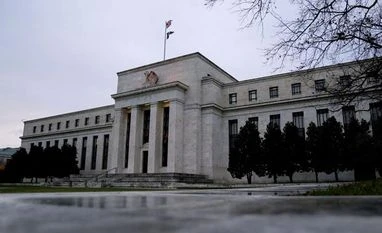
After its latest meeting that ended on Wednesday, the US Federal Reserve (US Fed) reiterated its resolve to tackle inflation, which it views as the key problem confronting the US economy. While the tone was hawkish, the measures were not aggressive, per se. Experts say investors must maintain an allocation to gold to safeguard themselves against possible global economic slowdown and volatility in the equity markets in 2022.
The US Fed will focus on tackling inflation via rate hikes—three or four this year, according to market expectations. These are already reflected in gold’s price.
On the balance sheet front, the US Fed is looking at natural winding down. “It will allow the balance sheet to shrink through natural decay. The money that comes in when bonds mature will not be reinvested. Currently, the Fed is not looking at reducing its balance sheet more aggressively by selling bonds,” says Chirag Mehta, senior fund manager-alternative investments, Quantum Mutual Fund.
Inflation to support gold
Gold prices have risen 1.3 per cent over the past three months. The primary reason for this positive bias is inflation, which has been stickier than anticipated. Prices of commodities like crude oil and coal have also run up over the past month.
“So far, companies have not passed on the increase in their input costs completely. If commodity prices rise further, they will be forced to do so. Inflation could then turn stickier and stay elevated for a long time,” says Mehta. High inflation, according to him, will sustain the upward bias in the yellow metal.
And while the US Fed has sounded a hawkish tone, the question is how far this will translate into action. “The US Fed has to avoid harming the economy while trying to tackle inflation. So, it is likely to remain behind the curve on rate hikes. Real interest rates are likely to remain low,” says Mehta. This will be positive for the yellow metal.
Some experts expect US growth to slow later in the year. “The robust growth that the US Fed is talking about is owing to last year’s low base. As the base becomes higher by the third and fourth quarter of the year, posting high growth could become a challenge,” says Navneet Damani, Senior VP - Commodities Research, Motilal Oswal Financial Services.
While the US Fed has turned hawkish on inflation, others like the European Central Bank may not follow suit. “Many central banks are still concerned about the impact of the pandemic on their economies and may continue to remain accommodative,” says Pritam Patnaik, head of commodities and HNI, NRI acquisition, Axis Securities.
Geopolitical tensions, such as between the US and Russia (over Ukraine), and the two-front opposition (Russia and China) to the US that is developing, could support gold, said Patnaik.
Goldman Sachs, in a recently published report, raised its 12-month price forecast for gold from $2,000 to $2,150 an ounce.
Strong dollar could rein in gold
As the US Fed winds down asset purchases and hikes interest rates, the dollar could strengthen vis-à-vis other leading global currencies. “If safe haven flows go into US treasury bonds instead of gold, that would be negative for the yellow metal,” says Patnaik.
Rate hikes in the US could affect investor sentiment in the short term and lead to price corrections in gold.
The Union Budget could cause a knee-jerk reaction in the domestic price of gold. “If the basic custom duty on gold is reduced from 7.5 per cent to 4 per cent, it could have a negative impact of Rs 1,000-1,500 on gold’s price in the short term,” says Damani.

 "Maintain 10-15% allocation to gold as real rates may stay low: Analysts")












 Connect with us on WhatsApp