Markets begin Samvat 2079 on upbeat note with biggest gain in 14 years

Sensex, Nifty gain 0.9%, most in Muhurat trading since Samvat 2065
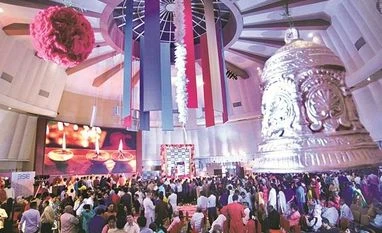
Samvat 2079
Fears of recession, sustained monetary tightening, and rising geopolitical tensions are factors that could weigh on the performance of the markets
Sundar Sethuraman Thiruvananthapuram
4 min read Last Updated : Oct 24 2022 | 11:56 PM IST
The equity markets on Monday started Samvat 2079 on an upbeat note with the benchmark indices racking up a gain of nearly 1 per cent, the biggest gain in Muhurat trading in nearly 14 years.

The S&P BSE Sensex ended the ceremonial one-hour trading session at 59,832, with a gain of 525 points, or 0.9 per cent, while the Nifty 50 index ended at 17,731, up 154 points, or 0.9 per cent.

During the Muhurat trading session on October 28, 2008, the benchmark indices had climbed nearly 6 per cent. This was the fifth straight year when the market ended with gains on Muhurat day.

Buying shares on Muhurat day is considered auspicious by several retail participants. Most investors do ceremonial purchases. Institutional investors and brokers trade to price in global cues or key developments.

The US markets opened higher on Monday with the Dow Jones rising 1 per cent amid a retreat in the 10-year Treasury yield. After topping a 14-year high of 4.33 per cent last week, the yield on the 10-year fell below 4.20 per cent. A fall in bond prices is positive for the equities market.

During Samvat 2078, the Sensex and the Nifty had dropped over 1 per cent amid a sharp retreat in most global markets due to rising bond yields following the US Federal Reserve’s hawkish pivot to control runway inflation.

With markets starting the new Hindu calendar year on a positive note, many are hopeful the returns during Samvat 2079 will be positive.

However, analysts say investors may have to brace themselves for volatility over the next three-six months because the Fed and other central banks continue to raise rates to tame inflation.

“I expect the benchmark indices to give at least 15 per cent returns this year,” said G Chokkalingam, founder, Equinomics. 

As the markets enter Samvat 2079, they face several headwinds and tailwinds.

Fears of recession, sustained monetary tightening, and rising geopolitical tensions are factors that could weigh on the performance of the markets. On the other hand, optimism that the worst of inflation is over and an expected pickup in the domestic economy, coupled with hopes of improvement in corporate financials, could support the markets.

“Even though Samvat 2078 ended with marginal negative returns the overarching feature of the year was India’s distinct outperformance. From the market perspective, two factors stand out -- India’s economic fundamentals are relatively strong and domestic investors have become a force to reckon with. This trend can be expected to continue. However, investors should be cautious since there are major challenges ahead, particularly rising interest rates and the unknown trajectory of the Ukraine war,” said V K Vijayakumar, chief investment strategist, Geojit Financial Services.

The Indian markets outperformed their US counterparts by more than 10 percentage points last Samvat, even as overseas investors pulled out close to Rs 2 trillion from domestic stocks.

The enthusiastic participation of local investors mitigated the negative effects as other markets faltered. A lack of adequate returns in other asset classes is leading to the increased participation of local investors, both directly and through mutual funds, say experts.

However, it means to be seen if the pace of domestic buying continues, particularly if the markets continue to move sideways or if foreign portfolio investors (FPIs) continue to sell.

“Domestic support could wane if we see a similar amount of FPI selling this year,” added Chokkalingam.

All Sensex components except Hindustan Unilever and Kotak Mahindra Bank ended with gains.

Banking stocks led the advance, with the Bank Nifty index climbing 1.3 per cent. ICICI Bank, HDFC Bank and HDFC were the leading contributors to Sensex gains. On the BSE, 2,662 stocks advanced and 744 ended with losses.

One subscription. Two world-class reads.

Already subscribed? Log in

Subscribe to read the full story →
*Subscribe to Business Standard digital and get complimentary access to The New York Times

Smart Quarterly

₹900

3 Months

₹300/Month

SAVE 25%

Smart Essential

₹2,700

1 Year

₹225/Month

SAVE 46%
*Complimentary New York Times access for the 2nd year will be given after 12 months

Super Saver

₹3,900

2 Years

₹162/Month

Subscribe

Renews automatically, cancel anytime

Here’s what’s included in our digital subscription plans

Exclusive premium stories online

  • Over 30 premium stories daily, handpicked by our editors

Complimentary Access to The New York Times

  • News, Games, Cooking, Audio, Wirecutter & The Athletic

Business Standard Epaper

  • Digital replica of our daily newspaper — with options to read, save, and share

Curated Newsletters

  • Insights on markets, finance, politics, tech, and more delivered to your inbox

Market Analysis & Investment Insights

  • In-depth market analysis & insights with access to The Smart Investor

Archives

  • Repository of articles and publications dating back to 1997

Ad-free Reading

  • Uninterrupted reading experience with no advertisements

Seamless Access Across All Devices

  • Access Business Standard across devices — mobile, tablet, or PC, via web or app

Topics :Indian stock marketBSE NSEequity marketMuhurat trading

Next Story



