As markets enter the new financial year and the long-term capital gains tax on the sale of stock investments kicks in, ABHINAV KHANNA, head of equities, Citi India, tells Puneet Wadhwa that he remains optimistic on the medium-to-long term growth of India, led by consumption recovery and the green shoots visible in the capex cycle. Edited excerpts:
What are your views on the government’s FY19 borrowing plan?
We were surprised on a slew of supply related announcements, which further support Citi’s constructive stance on Indian bonds. The combination of lower gross borrowing, favourable tweaking of the calendar, and the maturity buckets would help sentiment. In the near-term (Q4FY18), it incrementally helps banks with large government securities portfolios, which would have otherwise faced large mark-to-market hits.
Can markets recover sharply?
Markets are expected to be range-bound for some time. While our S&P BSE Sensex target is 36,900 for December 2018, a lot of this upside could be back-ended. We do not expect any major downside in the near term.
Why are you so optimistic?
Indian markets have already corrected almost 10 per cent from peak levels. The selling pressure from foreign portfolio investors (FPIs) has been absorbed well by the domestic investors. We are keeping a close watch on the domestic fund flows, which remain strong. Domestic buying should continue to lend support to markets. Furthermore, we are now talking about a recovery in economic growth. December quarter GDP numbers were marginally above expectations, and this trend should continue. Corporate earnings, too, should improve in FY19.
What are your estimates for corporate earnings growth?
The March 2018 quarter (Q4FY18) may witness large provisioning hits for several banks after the latest Reserve Bank of India (RBI) guideline in the second week of February, and that may continue into the first quarter of FY19. Thereafter, the banking sector could normalise, and drive overall earnings growth for markets. For FY19, we expect 19 per cent earnings growth for the Nifty versus 11 per cent growth expected in FY18. The three biggest contributors for us in terms of the delta in FY19, when compared to FY18, are the financials, energy and materials sectors.
For nine months of FY18, we have seen 4 per cent growth that has partly been driven by disappointment in some specific large corporates. The 11 per cent Nifty earnings growth expectation for FY18 can see a downside if there is big provisioning jump in case of banks in Q4FY18.
What are key concerns of FPIs?
There are concerns over the government overshooting the fiscal target. The current account has worsened as well. We also need to see how the monsoon plays out. In addition, we have seen bond yields rise across the globe. There are concerns about the hike in interest rates by the US Federal Reserve and multiple geopolitical concerns. Higher oil prices are a challenge, especially for India. In India, there are state elections and eventually national elections between now and mid-2019.
Notwithstanding these above near-term concerns, we are optimistic on medium-to-long term growth for India, led by consumption recovery and green shoots visible in the capex cycle.
Has their investing strategy changed?
Foreign investors are now resorting much more to bottom-up stock picking approach and being more selective. There is a clear preference for companies where there is limited earnings downside, comfort with the management and balance sheet.
Which sectors are you bullish on?
We have an overweight stance on the financial sector. If banks are able to clean up their balance sheets by June 2018 quarter, then overall FY19 could be a normal year for them. The overweight is driven by large private, retail focussed banks. We are also overweight on energy, especially gas and downstream companies. Auto is another sector we are overweight and is relatively defensive. We feel there will be a good pick-up, driven by rural demand. We are underweight on information technology and consumer staples.

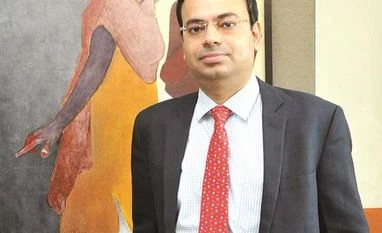 "Our Sensex target for December 2018 is 36,900: Citi India's Abhinav Khanna")












