As promised in the recently released draft Defence Production and Export Promotion Policy and draft Defence Acquisition Procedure, the defence ministry has issued a list of weapons platforms and defence equipment that will be embargoed for import, with year-wise timelines, from now to 2024. This is intended to provide domestic defence firms the confidence to develop import-embargoed defence equipment, using their own technology or capability sourced from the Defence Research and Development Organisation (DRDO), with the assurance that the military will not eventually import those.
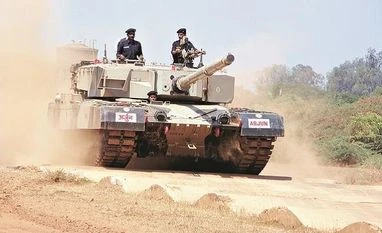
True, the military is acquiring most of the equipment that features on the import-embargoed list indigenously. Self-propelled artillery guns are being built by Larsen & Toubro, while the DRDO is developing towed artillery guns and multi-barrelled rocket launchers in partnership with private companies. The vast majority of the navy’s warships and submarines are being built in Indian shipyards, while Hindustan Aeronautics builds the Sukhoi-30MKI and Tejas fighter in India and upgrades the Jaguar, Hawk and Mirage 2000 aircraft. Similarly, the Ordnance Factory Board builds India’s entire requirement of tanks at its T-90 and Arjun line in Avadi, and infantry combat vehicles at its Medak factory. With India’s automobile industry capable of supplying world-class ground transport vehicles to the military, there is little import in that category.
The defence ministry must also ensure that the import of urgently needed weapons and equipment is not held back just because an indigenous solution has been promised by the DRDO or private industry. There are numerous cases of the military having to do without essential kit — fighter and trainer aircraft; tanks; warship sonar and torpedoes; air defence weaponry; infantry personal protective gear and small arms; to name a few — because domestic development agencies have been unable to deliver within their promised deadlines.
There is an inherent conflict in pursuing the dual goals of equipping the military with the best weapons in a short time frame, while also pursuing self-reliance and import substitution; one goal or the other is likely to be compromised. One case is the towed array sonar for naval ships; it is the same story with some missiles. When delivery is delayed, the navy has ships without proper sonar; infantry troops without proper carbines, etc. Import ban means import substitution takes precedence over ensuring timely weapons delivery, leading to delays and sub-standard weapons because they must be made locally.

 "Atmanirbhar in defence")












 Connect with us on WhatsApp