Erratic monsoon

Aggregate rain doesn't reflect the true picture
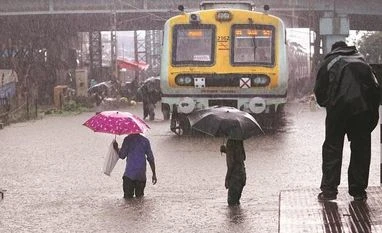
monsoon
Business Standard Editorial Comment Mumbai
3 min read Last Updated : Oct 12 2021 | 12:49 AM IST
This year’s monsoon, which is retreating after the second-longest run on record, has managed to deliver statistically normal rain even though its distribution over time and space has been highly erratic. Short but intense downpours, interspersed with longish dry spells, have been the distinctive feature of this monsoon. It, however, did not disturb the agricultural calendar, allowing normal planting of crops and ensuring good crop stands. Most of the reservoirs have been adequately replenished to ensure ample water availability for irrigation, industry, power generation, and domestic consumption. In fact, thanks to the belated exit, the soils are expected to hold some residual moisture for the benefit of the next crops as well.

Nevertheless, this monsoon will be remembered more for its oddities than its bearing on agriculture or, for that matter, on the economic outlook. After a timely onset on the Kerala coast, and its initial good showing in June, it went into a prolonged hiatus, causing jitters about the possibility of drought. July and August, normally the rainiest phase of the monsoon, remained water-starved, recording a 7 per cent rainfall deficiency in July and a huge 24 per cent in August. However, September, when the monsoon normally begins to pack up, witnessed the maximum precipitation, exceeding the normal levels by almost 35 per cent. It was, indeed, this bout that covered up the earlier rain deficit to end the season with a countrywide rainfall of 99 per cent of the long-period average.
 
Similar freakiness was observed in the regional spread of rain as well. While the relatively high-rainfall zone of the Northeast experienced the largest rain deficit of nearly 12 per cent, the south peninsula got 11 per cent excess waterfall. The key north-western agricultural belt had to be content with 4 per cent subnormal precipitation while the central zone, which is rapidly catching up with the northwest in terms of surplus farm production, received 4 per cent excess rain water. Another notable peculiarity of this year’s rainy season was the formation of low-pressure areas over the oceans, which serve as stimulants for the monsoon. Against the typical five to six deep depressions between June and August, this year there was none. All the three depressions which ultimately got materialised were in September, when these were least expected. Two of them — named Gulab and Shaheen — caused a considerable loss of life, property, and infrastructure in the coastal areas.

This apart, the refilling of dams, though overall quite satisfactory with the total water stock in the country’s 138 major reservoirs being 4 per cent above average, also reflected the regional disparities in rain. While the dams in the northern and eastern states hold less water than is normal for this time of the year, those in the south are generally brimming over. The biggest water deficit, estimated at around 40 per cent, is reported from the Thein dam, which caters to an extensive network of canals and irrigation channels in the agriculturally important state of Punjab. The key lesson to be learnt from this year’s eccentric monsoon is that the proverbial uncertainties of weather have turned all the more forbidding now. Given the low credibility of the India Meteorological Department’s weather forecasts, the need is to be constantly prepared to face any weather-related eventuality during the monsoon season.

One subscription. Two world-class reads.

Already subscribed? Log in

Subscribe to read the full story →
*Subscribe to Business Standard digital and get complimentary access to The New York Times

Smart Quarterly

₹900

3 Months

₹300/Month

SAVE 25%

Smart Essential

₹2,700

1 Year

₹225/Month

SAVE 46%
*Complimentary New York Times access for the 2nd year will be given after 12 months

Super Saver

₹3,900

2 Years

₹162/Month

Subscribe

Renews automatically, cancel anytime

Here’s what’s included in our digital subscription plans

Exclusive premium stories online

  • Over 30 premium stories daily, handpicked by our editors

Complimentary Access to The New York Times

  • News, Games, Cooking, Audio, Wirecutter & The Athletic

Business Standard Epaper

  • Digital replica of our daily newspaper — with options to read, save, and share

Curated Newsletters

  • Insights on markets, finance, politics, tech, and more delivered to your inbox

Market Analysis & Investment Insights

  • In-depth market analysis & insights with access to The Smart Investor

Archives

  • Repository of articles and publications dating back to 1997

Ad-free Reading

  • Uninterrupted reading experience with no advertisements

Seamless Access Across All Devices

  • Access Business Standard across devices — mobile, tablet, or PC, via web or app

Topics :Monsoon Business Standard Editorial Comment

Next Story



