The suggestions by the Commission for Agricultural Costs and Prices (CACP) to pay sugarcane prices to farmers in tranches and stop reserving cane areas for sugar mills have their pros and cons that need to be weighed carefully. The proposed measures affect the interests of both the cane growers and the sugar industry but in a mutually conflicting manner. Their implementation at this stage would amount to needless meddling in a sector that, for a change, is showing signs of becoming financially self-reliant and globally price-competitive.
The concept of staggering the payment of cane prices to the growers, advocated by the CACP in its latest report on sugarcane pricing, is not new. Similar propositions were floated in the past by various committees and expert panels, including the one set up by the NITI Aayog. Though the sugar industry welcomed this suggestion because it would ease its economic burden, most other stakeholders, including the cane growers, opposed it. Gujarat, where cooperative sugar mills are predominant, is the only state that has adopted this practice as a matter of state policy. Elsewhere, the cane growers favour lump sum and prompt payment as ordained under the Sugarcane Control Order, 1966. The main drawback in the existing system of payment within 14 days of delivery of the cane is that the cash-starved sugar factories often are unable to adhere to the deadline. This results in accumulating unpaid arrears, forcing the government to come up with bailout packages.
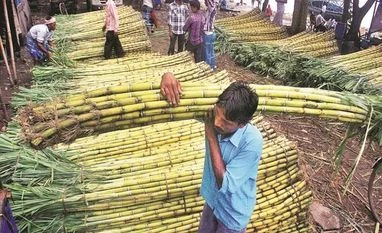
The CACP’s other suggestion concerning the abolition of the system of reserving sugarcane catchment area for each factory and doing away with the mandatory minimum distance (mostly 25 km) between the two factories is equally contentious. It binds the mills to buy all the canes on offer from that area and the farmers to sell to the designated mills only. The main objection to this system is that it leaves no room for the mills or the farmers to take their own business decisions. Little wonder that most sugar sector review panels, including the famous C Rangarajan committee, have disfavoured this system. However, the clinching argument in favour of this provision is that sugarcane has to be disposed of at the nearest factory because it starts losing its sucrose content soon after harvest. Interestingly, the sugar sector is currently facing a problem of plenty, thanks to a steady uptrend in the production of both sugarcane and sugar over the past few years. The government has sought to resolve this issue by allowing the mills to convert sugar or even sugarcane juice directly into ethanol for sale to oil-marketing companies for doping with petrol.

 "Staggered pricing")












 Connect with us on WhatsApp