Suspended animation

All MPs must observe parliamentary etiquette
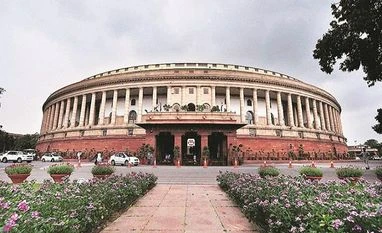
Parliament
Business Standard Editorial Comment Mumbai
3 min read Last Updated : Dec 03 2021 | 4:10 AM IST
The dramatic dharna by the 12 suspended members of the Rajya Sabha under a statue of Gandhi and further disruption in both Houses of Parliament on their behalf have only served to highlight a chronic problem in the conduct of legislative business in recent decades. This is the rank bad behaviour of members cutting across party lines. Incidents involving interrupting speakers, rushing to the well of the House, displaying placards, even using pepper spray — all violations of parliamentary etiquette rules — by whichever party is in the Opposition have become so common during parliamentary sessions that these incidents have stopped making headlines. All of this makes the controversy created by Rajya Sabha Chairman M Venkaiah Naidu’s ruling on the first day of the winter session to suspend 12 Opposition MPs for the rest of the session — the largest in the Rajya Sabha’s history — somewhat moot.

Mr Naidu’s ruling pertained to unruly conduct on the last day of the monsoon session of Parliament. The furore was over legislation being passed without debate, among other issues. If their demands were valid, their actions made a mockery of parliamentary etiquette with slogan-shouting and papers hurled at the deputy chairman. In that sense, the suspensions were valid within the rules of parliamentary etiquette. The leader of the Opposition in the Rajya Sabha, Mallikarjun Kharge, has written to Mr Naidu, saying the application of the relevant rule, 256 of the Rules of Procedure and Conduct of Business in the Council of States, did not permit expelling MPs from a previous session. A reading of the rules makes this unclear, but Mr Kharge’s objection misses the point just as much as Mr Naidu’s ruling may be akin to the proverbial relationship between pot and kettle.

If Parliament has been relatively productive since 2014, when the Bharatiya Janata Party-led National Democratic Alliance came to power, it is mostly on account of the brute parliamentary majority that has enabled the government to ram through deeply controversial legislation — from the revocation of Jammu & Kashmir’s special status, the Citizenship Amendment Act to the three farm Bills — without much debate. This enhanced productivity should not, however, imply iron parliamentary discipline on the part of BJP MPs. The data from PRS Legislative Research shows that there were far more disruptions in both Houses of Parliament during the second stint of the Congress-led United Progressive Alliance when the BJP was in the Opposition.

The growing incidence of misbehaviour in Parliament is a symptom of the ever-narrowing space that parties in power allow for debate on contentious issues — even though this is the lifeblood of the legislative process in a democracy. In a 2001 discussion on the issue of disruptions, Atal Bihari Vajpayee pointed out the majority party was responsible for governing and should take the Opposition into confidence. This advice from the late BJP prime minister has emphatically not been followed by his successors. The fact that Mr Naidu’s ruling came on a day that the farm laws were repealed without any debate underlined the problem starkly. The need to restore the functioning of Parliament demands behavioural change from both sides of the aisle.

One subscription. Two world-class reads.

Already subscribed? Log in

Subscribe to read the full story →
*Subscribe to Business Standard digital and get complimentary access to The New York Times

Smart Quarterly

₹900

3 Months

₹300/Month

SAVE 25%

Smart Essential

₹2,700

1 Year

₹225/Month

SAVE 46%
*Complimentary New York Times access for the 2nd year will be given after 12 months

Super Saver

₹3,900

2 Years

₹162/Month

Subscribe

Renews automatically, cancel anytime

Here’s what’s included in our digital subscription plans

Exclusive premium stories online

  • Over 30 premium stories daily, handpicked by our editors

Complimentary Access to The New York Times

  • News, Games, Cooking, Audio, Wirecutter & The Athletic

Business Standard Epaper

  • Digital replica of our daily newspaper — with options to read, save, and share

Curated Newsletters

  • Insights on markets, finance, politics, tech, and more delivered to your inbox

Market Analysis & Investment Insights

  • In-depth market analysis & insights with access to The Smart Investor

Archives

  • Repository of articles and publications dating back to 1997

Ad-free Reading

  • Uninterrupted reading experience with no advertisements

Seamless Access Across All Devices

  • Access Business Standard across devices — mobile, tablet, or PC, via web or app

Topics :ParliamentBusiness Standard Editorial CommentRajya Sabha

Next Story



