Joining RCEP would have hurt India's interests, says Piyush Goyal

Being the basic framework of the RCEP deal, the FTA with the 10-nation grouping came into effect in 2010
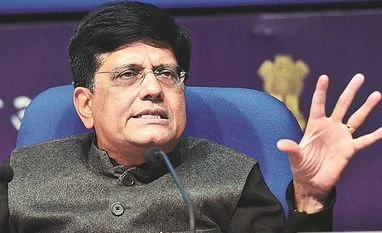
Piyush Goyal
Subhayan Chakraborty New Delhi
3 min read Last Updated : Dec 11 2019 | 2:32 AM IST
Commerce and Industry Minister Piyush Goyal told Parliament on Tuesday that Regional Comprehensive Economic Partnership (RCEP) deal was harmful for India’s interests, hinting that the country might not join the grouping any time soon.

Goyal said he had opposed the deal even before talks had ended. He said he was a proud member of the RSS-affiliated Swadeshi Jagran Manch, and that the traders’ body had remained steadfast in his opposition to the RCEP. 

“It’s funny that some leapt into the RCEP debate only after news of India’s not joining the bloc leaked,” the minister said.

He argued the Congress regime should have hit pause button on RCEP, seeing that India’s trade deficit with other countries were rising to unsustainable limits. 

“We continued talks since India had been discussing the issue for a long time,” Goyal said. But he insisted India would continue speaking to all other nations on trade, provided it  gets reciprocal benefits. 

However, Opposition members questioned the government’s sudden change in stance on the deal.

Goyal, however, maintained that the final decision had been taken after intensive discussions with stakeholders. He said that other RCEP nations could slowly see how India was moving away from the signing table as New Delhi continued to raise objections to 'unfair treatment'.

Ramesh was joined by erstwhile Commerce Minister Anand Sharma pointed out that backing out of RCEP can affect the import of essential goods like palm oil, gold and pulses from partner nations. He added that the pullout would affect India's strategic interests in South East Asia.

Over the past few months, the government has upped the ante against the previous United Progressive Alliance regime, bashing it for compromising India's trade interests. The government had also remained cautious on not repeating a deal similar to India's Free Trade Agreement with the Association of the Southeast Asian Nations (Asean) bloc, which is the earliest FTA signed by the country. India's revenue foregone due to New Delhi's first major multilateral deal has more than doubled to nearly Rs 26,000 crore in 2018-19.

Being the basic framework of the RCEP deal, the FTA with the 10-nation grouping came into effect in 2010. Exports to the 10 economies stood at $37.4 billion in 2018-19, up by 9 per cent on year. On the other hand, imports were higher at $59.31 billion, up by 25 per cent from the previous year's $47.13 billion.


One subscription. Two world-class reads.

Already subscribed? Log in

Subscribe to read the full story →
*Subscribe to Business Standard digital and get complimentary access to The New York Times

Smart Quarterly

₹900

3 Months

₹300/Month

SAVE 25%

Smart Essential

₹2,700

1 Year

₹225/Month

SAVE 46%
*Complimentary New York Times access for the 2nd year will be given after 12 months

Super Saver

₹3,900

2 Years

₹162/Month

Subscribe

Renews automatically, cancel anytime

Here’s what’s included in our digital subscription plans

Exclusive premium stories online

  • Over 30 premium stories daily, handpicked by our editors

Complimentary Access to The New York Times

  • News, Games, Cooking, Audio, Wirecutter & The Athletic

Business Standard Epaper

  • Digital replica of our daily newspaper — with options to read, save, and share

Curated Newsletters

  • Insights on markets, finance, politics, tech, and more delivered to your inbox

Market Analysis & Investment Insights

  • In-depth market analysis & insights with access to The Smart Investor

Archives

  • Repository of articles and publications dating back to 1997

Ad-free Reading

  • Uninterrupted reading experience with no advertisements

Seamless Access Across All Devices

  • Access Business Standard across devices — mobile, tablet, or PC, via web or app

Topics :Piyush GoyalParliamentRCEP negotiationsRCEP deal

Next Story



