BS BFSI Summit: SFBs should look beyond universal licence, says R Gandhi

Ex-RBI deputy governor says they must become financial conglomerates
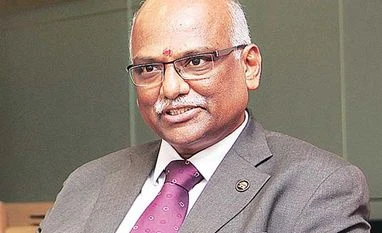
R Gandhi
R Gandhi, former deputy governor of Reserve Bank of India (RBI)
Subrata Panda Mumbai
3 min read Last Updated : Oct 28 2021 | 2:09 AM IST
Small finance banks (SFBs) should aim to grow into financial conglomerates based on their experience, instead of becoming universal banks, as there is huge scope for these entities to serve the same clientele in terms of investment and insurance offering, said R Gandhi, former deputy governor of Reserve Bank of India (RBI).

Delivering the keynote address at the Business Standard’s BFSI Insight Summit session on SFBs, Gandhi said: “That is the growth path I would suggest for the SFBs rather than losing their focus becoming universal banks and by being in all types of business. You should play a specific, niche role in the economy and grow big. This way they will be able to do service to their stakeholders”. He said SFBs can grow big given their track record. “If they want to grow as a universal bank, then they have already reached the basic capital requirement”.

Gandhi did, however, have a word of caution. He said if they become a universal bank, though they will have the flexibility to lend in the microfinance, small finance, or large finance space, there will also be enhanced compliances issues. Basel III will be a big burden, and there will be greater scrutiny across the board, not just from the regulator but also from the media and the general public.

Growth

In 2016, the RBI granted 10 entities SFB licences. And, in the past five years, the SFBs’ balance sheet has grown about 4-5 times from Rs 27,000 crore to Rs 1.32 trillion. Deposits, too, have grown from Rs 5,000 crore to Rs 82,000 crore. The asset side grew from Rs 17,000 crore to over Rs 90,000 crore.

The liabilities of the SFBs were predominantly in term deposits and the asset side saw a distinct shift from unsecure microfinance loans to more secured small finance loans. “So, they were justifying the very logic for which they were created,” Gandhi said.

When we talk about small finance banks, the very thought cropped up in the minds of the RBI officials as a means to further financial inclusion in the country, Gandhi said.

Gandhi said: “Financial inclusion as a serious responsibility had been shouldered by the micro-finance institutions (MFIs) because they were always related to the bottom of the pyramid and microfinance was the centre of attention in those times”.

Besides, after 2010 MFIs started exhibiting evidence on the ground that microfinance is a commercial proposition and through alternative models it would be possible to finance the needy at the bottom.

One subscription. Two world-class reads.

Already subscribed? Log in

Subscribe to read the full story →
*Subscribe to Business Standard digital and get complimentary access to The New York Times

Smart Quarterly

₹900

3 Months

₹300/Month

SAVE 25%

Smart Essential

₹2,700

1 Year

₹225/Month

SAVE 46%
*Complimentary New York Times access for the 2nd year will be given after 12 months

Super Saver

₹3,900

2 Years

₹162/Month

Subscribe

Renews automatically, cancel anytime

Here’s what’s included in our digital subscription plans

Exclusive premium stories online

  • Over 30 premium stories daily, handpicked by our editors

Complimentary Access to The New York Times

  • News, Games, Cooking, Audio, Wirecutter & The Athletic

Business Standard Epaper

  • Digital replica of our daily newspaper — with options to read, save, and share

Curated Newsletters

  • Insights on markets, finance, politics, tech, and more delivered to your inbox

Market Analysis & Investment Insights

  • In-depth market analysis & insights with access to The Smart Investor

Archives

  • Repository of articles and publications dating back to 1997

Ad-free Reading

  • Uninterrupted reading experience with no advertisements

Seamless Access Across All Devices

  • Access Business Standard across devices — mobile, tablet, or PC, via web or app

Topics :Financial InclusionSmall Finance BanksBFSIRBIR Gandhi

Next Story



