
UK brings in 21-day isolation measures to contain monkeypox spread
Smallpox vaccines are around 85 per cent effective in preventing monkeypox infection, and several countries have said they have begun stockpiling them
 "UK brings in 21-day isolation measures to contain monkeypox spread")
WebinarsNew
Deep DiveNew
Explore Business Standard
Smallpox vaccines are around 85 per cent effective in preventing monkeypox infection, and several countries have said they have begun stockpiling them
Anyone who has had direct or household contact with a confirmed case of monkeypox, and therefore at the highest risk of having caught the rare virus, is being advised to isolate for 21 days by UK health authorities in updated advice on Monday.
The UK Health Security Agency (UKHSA) said close contacts of someone with unprotected direct contact with a confirmed case of monkeypox are advised to provide their details for contact tracing, forgo travel, and avoid contact with immunosuppressed people, pregnant women, and children under 12.
The agency is also providing close contacts of such cases with an established smallpox vaccine that can help protect against monkeypox.
"We're not using (the vaccine) in the general population," Dr Susan Hopkins, UKHSA Chief Medical Adviser, told the BBC.
"We're using it in individuals who we believe are at high risk of developing symptoms, and using it early, particularly within four or five days of the case developing symptoms. For contacts, [this] reduces your risk of developing disease, so that's how we're focusing our vaccination efforts at this point, she said.
Smallpox vaccines are around 85 per cent effective in preventing monkeypox infection, and several countries have said they have begun stockpiling them.
The disease, first found in monkeys, does not tend to spread easily between humans but can be transmitted through close physical contact, including sexual intercourse. It is a rare viral infection most common in remote parts of Central and West Africa and there are now 20 reported cases in the UK, with more than 80 across Europe, the US, Canada, Israel and Australia.
"We are finding cases that have no identified contact with an individual from west Africa, which is what we've seen previously in this country," Hopkins said, who expects more cases to emerge.
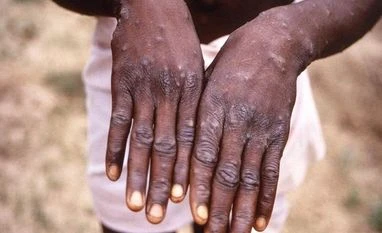
Symptoms, which include a high temperature, aches, and a rash of raised spots that later turn into blisters, are typically mild and for most people clear up within two to four weeks. A person is considered at high risk of having caught the infection if they have had household or sexual contact with, or have changed the bedding of an infected person without wearing personal protective equipment (PPE).
Other people who may have come into indirect contact with a case do not need to stay at home and isolate, but should watch out for symptoms such as fever and a rash under the updated UKHSA advice.
The UKHSA has said that a notable proportion of early cases in England have been detected in gay and bisexual men and has urged members of those communities in particular to be alert.
"We would recommend to anyone who is having changes in sex partners regularly, or having close contact with individuals that they don't know, to come forward if they develop a rash," said Dr Hopkins.
She said the illness is "relatively mild" in adults, with young children more at risk. While the risk to the general population "remains extremely low at the moment", people are being advised to be alert to it.
It is unclear why the unexpected outbreak of the rare virus is happening now. One possibility being suggested by experts is that the virus has changed in some way, although currently there is little evidence to suggest this is a new variant. The World Health Organisation (WHO) has said it is "working with the affected countries and others to expand disease surveillance to find and support people who may be affected".
(Only the headline and picture of this report may have been reworked by the Business Standard staff; the rest of the content is auto-generated from a syndicated feed.)
First Published: May 23 2022 | 6:42 PM IST


 Connect with us on WhatsApp