Course correction

RBI has been slow in withdrawing accommodation
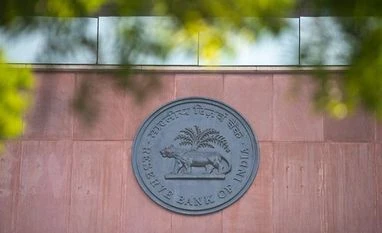
RBI, Reserve Bank of India
Photo: Shutterstock
Business Standard Editorial Comment
3 min read Last Updated : May 04 2022 | 10:16 PM IST
The Reserve Bank of India (RBI) has eventually decided to adjust to the evolving economic reality. The Monetary Policy Committee (MPC) in an “off-cycle” meeting, which ended on Wednesday, increased the policy repo rate by 40 basis points with immediate effect. The standing deposit facility and the marginal standing facility rates have been adjusted accordingly. The RBI also increased the cash reserve ratio (CRR) by 50 basis points to 4.5 per cent of net demand and time liabilities, effective from May 21. The rate-setting committee had left the policy rate unchanged in the April meeting, though the RBI introduced the standing deposit facility to normalise the liquidity adjustment facility corridor. The basic reason that prompted an off-cycle monetary policy action is the uncomfortable trajectory of inflation.

The consumer price index-based inflation rate increased to 6.95 per cent in March. The April number, which will be announced next week, is likely to be even higher. There are a number of reasons that are likely to keep inflation elevated. Crude oil and other commodity prices remain high, which can potentially push up the inflation rate further. Global food prices have also increased significantly, partly because of the ongoing Russia-Ukraine conflict. While India is in a comfortable position in terms of foodgrains, higher overall global food prices tend to have an impact. Higher prices of edible oil, for instance, will be a significant challenge. Besides, supply-chain disruptions because of a surge in Covid cases in some parts of the world, particularly China, are affecting prices. In the given context, RBI Governor Shaktikanta Das rightly noted in his statement: “There is the collateral risk that if inflation remains elevated at these levels for too long, it can de-anchor inflation expectations which, in turn, can become self-fulfilling and detrimental to growth and financial stability.”

However, the fact is all this was well-known at the time of the April MPC meeting. It is puzzling what stopped the committee then. Actually, the central bank has been behind the curve in withdrawing accommodation. It is correct that the Ukraine war has increased price risks, but the RBI has been underestimating inflation for a while. The average inflation rate for the last 24 months has been 5.8 per cent. In fact, it was anticipated in April that the inflation rate might remain above the tolerance band for three consecutive quarters, which, according to the law, would be deemed as a failure to attain the inflation target. The policy action thus can be seen as a course correction. The markets should expect more. The level of liquidity in the system is still very high and the increase in the CRR would only partially address this. Thus, policy normalisation would now happen at a much faster pace.

Had the RBI accounted for consistent inflationary pressures and maintained the needed balance between the objectives of supporting growth and maintaining price stability, it would have avoided an emergency rate hike. Central banks in the advanced economies are also expected to wind down policy accommodation at a faster pace. Even in this regard, India could not have remained an outlier for too long because it would have affected capital flows and the functioning of currency markets. The policy action, therefore, needs to be welcomed, though an off-cycle meeting and an emergency rate hike could have been avoided. It does not reflect well on the system.

One subscription. Two world-class reads.

Already subscribed? Log in

Subscribe to read the full story →
*Subscribe to Business Standard digital and get complimentary access to The New York Times

Smart Quarterly

₹900

3 Months

₹300/Month

SAVE 25%

Smart Essential

₹2,700

1 Year

₹225/Month

SAVE 46%
*Complimentary New York Times access for the 2nd year will be given after 12 months

Super Saver

₹3,900

2 Years

₹162/Month

Subscribe

Renews automatically, cancel anytime

Here’s what’s included in our digital subscription plans

Exclusive premium stories online

  • Over 30 premium stories daily, handpicked by our editors

Complimentary Access to The New York Times

  • News, Games, Cooking, Audio, Wirecutter & The Athletic

Business Standard Epaper

  • Digital replica of our daily newspaper — with options to read, save, and share

Curated Newsletters

  • Insights on markets, finance, politics, tech, and more delivered to your inbox

Market Analysis & Investment Insights

  • In-depth market analysis & insights with access to The Smart Investor

Archives

  • Repository of articles and publications dating back to 1997

Ad-free Reading

  • Uninterrupted reading experience with no advertisements

Seamless Access Across All Devices

  • Access Business Standard across devices — mobile, tablet, or PC, via web or app

Topics :Reserve Bank of IndiaCash Reserve RatioShaktikanta Dasmonetary policy committeeRussiaUkraine

Next Story



