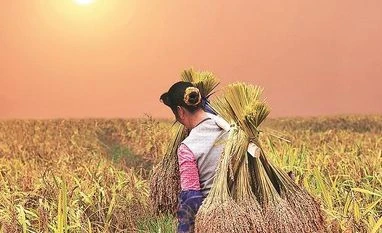
Going by the preliminary estimates released by the agriculture ministry, the country is poised for another record kharif grain harvest of over 150.5 million tonnes. The previous best was 149.5 million tonnes last year. This should help contain inflation, especially food inflation. But there is a downside to it as well. The over-supply, if not managed well, may depress the rates of farm goods to below the government-fixed lowest threshold — the minimum support prices (MSPs) —particularly when fresh produce starts arriving in the market. That would hurt the interests of the farmers, who are agitating for making MSPs legally binding, along with their other main demand for annulling the controversial farm laws. Even now, the mandi prices of eight of the 12 major crops grown in the kharif season are ruling below their respective MSPs. The only four commodities fetching remunerative returns for growers are cotton, whose acreage has shrunk due to unfavourable weather; pigeon pea (Tur), the maximum consumed variety of pulses; and the high-end oilseeds like groundnut and soybean. However, the prices of these oilseeds may also face downward pressure, thanks to the government’s move to reduce import duties on palm oil just ahead of the domestic harvest.
The immediate task before the government, therefore, is to lend the needed price support to at least the main crops. Otherwise, the prevailing farm distress is bound to worsen. With some key agricultural states like Uttar Pradesh and Punjab heading for the polls early next year and some others to follow a little later, the Centre and the state governments will face additional pressure to do so. But procurement-based price support is practically unfeasible for such a large number of crops, so other ways and means will need to be explored for this purpose. Export, as an outlet for the surplus produce, is a distinct possibility at this stage. The international prices of most agri-commodities, including food products, are tending to firm up due to crop losses in some major exporting countries, including the US and Brazil, on account of adverse weather. The agri-commodities price index of the UN Food and Agriculture Organization is also looking up. India can capitalise on this opportunity to prop up its domestic market and boost farmers’ income.
The other options for providing market support include boosting local consumption and resurrecting the much-talked-about but subsequently forgotten price support scheme called the Pradhan Mantri Annadata Aay Sanrakshan Abhiyan, aptly called PM-AASHA (meaning “hope”). Both these measures will entail additional expenses, burdening the exchequer. The PM-AASHA stipulates two other modes of market intervention, apart from the physical procurement of the stuff by the government agencies at the officially fixed floor prices. These are the price deficiency payment system (cash compensation for the shortfall in price realisation), and the procurement and stocking by the private parties for which they will be paid 15 per cent of the MSP as service charges. Unless the government goes in for such measures or comes up with some other practical and, more so, efficacious market support system for at least the key crops, it will be hard to calm down the enraged farmers or contain their ongoing agitation.

 "Problem of plenty")












 Connect with us on WhatsApp