Repayment rules

Avoid blanket extension of loan moratorium
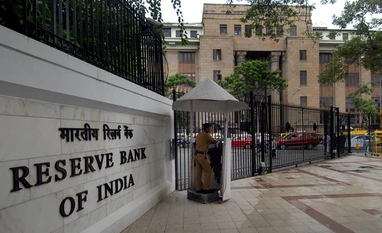
RBI
RBI
Business Standard Editorial Comment
3 min read Last Updated : Jul 12 2020 | 9:34 PM IST
The latest reading of high-frequency indicators shows that the pace of contraction in the Indian economy is reducing, though economic activity remains significantly below the pre-Covid level. A recovery from the present situation is likely to be slow, because the spread of the virus continues and lockdowns are being re-imposed by various levels of authority in several parts of the country. This would not only hit consumption but also affect supply chains and hamper production. A gradual recovery will increase difficulties for both businesses and households, and make debt repayment more difficult. Non-performing assets (NPAs) in the system are anyway bound to go up. The Reserve Bank of India (RBI) allowed lenders to extend a moratorium on repaying term loans to help borrowers address their cash flow issues during the lockdown. It will end next month and another extension is reportedly being considered. The RBI is also likely to allow a one-time restructuring of loans. In this context, the regulator would do well to consider State Bank of India Chairman Rajnish Kumar’s opinion that an across-the-board moratorium is not required any more.

However, there are sectors and firms that would still need relief. Thus, the RBI can allow lenders to decide as to which needs a loan moratorium or restructuring on a case-by-case basis. This makes sense because another blanket extension would only delay the recognition of the actual situation. Since economic activity has resumed, debt repayment should also begin. A number of small and medium businesses are reported to have resumed repayments. Selective loan moratorium or restructuring would also give banks a better sense of the cash flow situation of borrowers. It is important to recognise that some weaker and over-leveraged firms will fail and a blanket extension of loan moratorium will only delay the inevitable to some extent. It is not possible for the banking system or the regulator to save all businesses and this should not even be attempted. Failure of weaker firms will shift capital to more efficient ones and improve overall efficiency in the economy. The suspension of the bankruptcy code, however, would make recovery more difficult for lenders. An extension could also affect credit discipline and reverse several gains made in this area over the years.

However, while allowing lenders to decide on restructuring or revised terms of repayment, the regulator must ensure that new directions are not used to hide NPAs. Since NPAs are bound to rise in the near term, both banks and non-banking financial companies would need to build capital buffers. In this regard, RBI Governor Shaktikanta Das, in a recent address, rightly noted that a recapitalisation plan for both public and private sector banks had become necessary. The government would need to take the lead because the system is dominated by public sector banks. Lenders with weak balance sheets would find it difficult to extend credit, which can hinder the recovery process. Banks would also need to improve their governance and risk management systems to contain the Covid-related damage. Further, it will be important for the regulator to ensure that lenders recognise NPAs in time and have adequate capital. The impact of delays in recognising bad assets in the aftermath of the financial crisis is still playing out in the India economy. This should not be repeated.

One subscription. Two world-class reads.

Already subscribed? Log in

Subscribe to read the full story →
*Subscribe to Business Standard digital and get complimentary access to The New York Times

Smart Quarterly

₹900

3 Months

₹300/Month

SAVE 25%

Smart Essential

₹2,700

1 Year

₹225/Month

SAVE 46%
*Complimentary New York Times access for the 2nd year will be given after 12 months

Super Saver

₹3,900

2 Years

₹162/Month

Subscribe

Renews automatically, cancel anytime

Here’s what’s included in our digital subscription plans

Exclusive premium stories online

  • Over 30 premium stories daily, handpicked by our editors

Complimentary Access to The New York Times

  • News, Games, Cooking, Audio, Wirecutter & The Athletic

Business Standard Epaper

  • Digital replica of our daily newspaper — with options to read, save, and share

Curated Newsletters

  • Insights on markets, finance, politics, tech, and more delivered to your inbox

Market Analysis & Investment Insights

  • In-depth market analysis & insights with access to The Smart Investor

Archives

  • Repository of articles and publications dating back to 1997

Ad-free Reading

  • Uninterrupted reading experience with no advertisements

Seamless Access Across All Devices

  • Access Business Standard across devices — mobile, tablet, or PC, via web or app

Topics :Reserve Bank of IndiaShaktikanta DasState Bank of India SBIRisk management

Next Story



