Home / Cricket / News / As 'A' team coach, made sure every player on tour got a game: Dravid
As 'A' team coach, made sure every player on tour got a game: Dravid
Credited for creating India's talent pool at the under-19 and A level, Former captain Rahul Dravid says as his stint as coach, he made sure that every cricketer who toured got a game unlike his days.
Widely credited for creating India's talent pool at the under-19 and A level, former captain and NCA Director Rahul Dravid says during his stint as coach with these teams, he made sure that every cricketer who toured got a game unlike his playing days.
Dravid will be head coach of a Shikhar Dhawan-led Indian team that will tour Sri Lanka for a white-ball series next month. He doesn't travel with the A and U-19 squads any more but it was he who made sure all the squad members played on tours.
"I tell them upfront, if you come on an A tour with me, you will not leave here without playing a game. I've had that personal experience myself as a kid: going on an A tour and not getting an opportunity to play is terrible," Dravid ESPNcricinfo's 'The Cricket Monthly'.
"You've done well, you scored 700-800 runs, you go, and you don't get a chance to show what you're good at. And then you're back to square one from the selectors' point of view, because the next season you have to score those 800 runs again.
"It is not easy to do that, so there is no guarantee you'll get a chance again. So you tell people upfront: this is the best 15 and we are playing them. This is not about the supposed best XI. At U-19, we make five-six changes between games if we can," he said.
Indian cricketers are now among the fittest in the world but there was a time when they did not have the required knowledge on fitness and envied the more athletic Australians and South Africans, Dravid said.
Now in charge of the National Cricket Academy, Dravid has played a key role in producing the next generation of cricketers and a reserve pool which is the envy of India's opponents.
In his playing days, Dravid said the awareness just wasn't there.
"Playing on the beach and playing on the road doesn't make you a cricketer. It makes you someone who loves the game. That's what we had. We had a lot of people who loved the game," Dravid said.
"Unless you give that guy a proper matting wicket or a turf wicket, unless you give him some half-decent coaching, some half-decent fitness assistance where was all this in the 1990s and the 2000s? There was no access to it. We were starved of knowledge.
"Even in terms of fitness, we used to look at the Australians and South Africans and we used to look at their fitness trainers, and what did we get? 'Don't do too much gym, your body will become stiff. Bowl, bowl and bowl. Run rounds and laps'," he recalled.
(Only the headline and picture of this report may have been reworked by the Business Standard staff; the rest of the content is auto-generated from a syndicated feed.)

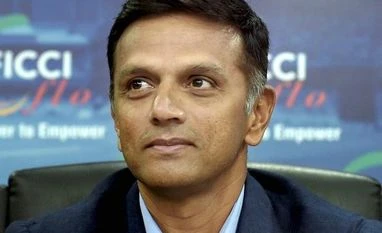 "As 'A' team coach, made sure every player on tour got a game: Dravid")


 Connect with us on WhatsApp