Home / India News / Death risk from chikungunya continues for up to 3 months: Lancet study
Death risk from chikungunya continues for up to 3 months: Lancet study
People infected with the chikungunya virus continue to have an increased risk of death for up to three months post-infection, according to a study published in The Lancet Infectious Diseases journal
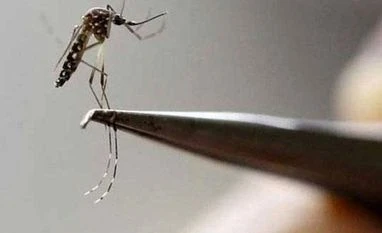
A 12-year-old boy had succumbed to dengue shock syndrome on August 1 at the Sir Ganga Ram Hospital here, the first death due to the vector-borne disease reported in the city this season. Photo: Reuters
People infected with the chikungunya virus continue to have an increased risk of death for up to three months post-infection, according to a study published in The Lancet Infectious Diseases journal.
Chikungunya is a viral disease transmitted by mosquitoes to humans. Most commonly, the virus is transmitted by Aedes aegypti and Aedes albopictus mosquitoes, more commonly known as yellow fever and tiger mosquitoes, respectively.
While most patients recover fully, chikungunya disease can prove fatal. Despite infections going largely unreported, approximately five lakh cases and over 400 deaths were recorded worldwide in 2023, the researchers said.
"With chikungunya infections expected to increase, it's important that health services consider the risks that persist even after the acute phase of infection has ended," said Enny Da Paixao Cruz, Associate Professor at the London School of Hygiene & Tropical Medicine (LSHTM), UK, and senior author of the study.
The researchers analysed almost 150,000 (1.5 lakh) recorded chikungunya infections using data from the 100 Million Brazilian Cohort.
The findings show that people infected with the virus are still at risk from complications even after the period of acute infection ends, which typically lasts for 14 days post-symptom onset.
In the first week, infected individuals were eight times more likely to die than unexposed individuals. They were still twice as likely to die from complications at three months post-infection, the researchers said.
The team found that patients had an increased risk of death through cardiovascular conditions, such as ischemic heart disease and metabolic and kidney diseases, independent of age group and sex.
The researchers noted that Aedes-borne diseases are anticipated to increase in frequency and location due to climate change, urbanisation, and heightened human mobility. As such, chikungunya disease is now seen as a growing threat to public health.
There are currently no medications available to prevent chikungunya or specific treatments post-infection. However, the world's first vaccine was approved by the US Food and Drug Administration in November last year, they said.
"This study highlights a pressing need for continued research and development of effective anti-chikungunya therapeutics and equitable access to approved vaccines in countries with recurring outbreaks," Cruz said.
"Reinforcing measures to control the spread of chikungunya virus-carrying mosquitoes is also essential for reducing the excess mortality associated with the disease," he added.
(Only the headline and picture of this report may have been reworked by the Business Standard staff; the rest of the content is auto-generated from a syndicated feed.)

 "Death risk from chikungunya continues for up to 3 months: Lancet study")

