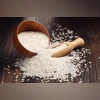
Before the deal was finalised, UK imposed a duty of around 21 pounds on brown basmati rice exported from India and a duty of around 120-121 pounds on white basmati. The duty used to peak in the months of September and decline subsequently.
In total, the European Union imports about 500,000 tonnes of basmati rice from India, of which the UK's share is almost half at 200,000-250,000 tonnes.
The bulk of basmati in the UK is consumed by the large South-Asian diaspora that includes Indians, Pakistanis and Bangladeshis. Non-basmati rice manufacturers - which sell varieties such as ‘sona masuri’ and ‘ponni’ - command only a small share in the overall UK rice market.
Why the gloom and doom?
Of the total EU basmati rice market, around 300,000-350,000 tonnes is controlled by two major multinational food processing companies, which source almost 200,000 tonnes of their basmati rice from Pakistan while the balance is from India. Now, the onus will be on these companies to increase their India purchases.
A section of the trade feels that while the removal of the duty will lower the price of Indian basmati, replacing Pakistan - which is its nearest competitor - in that market entirely based only on price advantage will be challenging.
The second concern is their position on Maximum Residue Levels (MRL) levels with regards to pesticides in rice, which both the UK and European markets are highly sensitive to. To avoid the MRL related issues, traders say some exporters might opt to export basmati grown in non-traditional areas such as Madhya Pradesh and not the Indo-Gangetic plains as that could open up another can of worms.
Then there is the issue of origin and the GI tag; Pakistan has had a running duel with India when it comes to Geographical Indication (GI) certification of basmati. “All these open lots of complicated issues when it comes to basmati rice exports to the UK post the signing of the trade deal,” a senior trade policy analyst said.
Shrimp exporters see fair winds ahead
However, the deal has gladdened the hearts of shrimp exporters who are reeling under the impact of tariffs from the US. Although the UK is a much smaller shrimp market compared to the US, it could possible be a doorway to the whole of the EU region.
In 2024-25, India’s marine exports to the UK were valued at $104 million (Rs 879 crore), with frozen shrimp alone contributing $80 million (77 per cent). Notwithstanding, India’s share in the UK’s $5.4 billion seafood import market is a mere 2.25 per cent.
“With Ceta now in force, industry estimates project a 70 per cent surge in marine exports to the UK in the coming years,” the government said in a statement recently.
Agriculture exports get a growth push
That apart, Indian spices like turmeric, pepper, and cardamom, and processed goods like mango pulp, pickles, and pulses will enjoy duty-free access in the UK market. In fact, more than 95 per cent of agricultural and processed food tariff lines will attract zero duties, including fruits, vegetables and cereals. The FTA is also expected to boost exports of emerging products such as jackfruits, millets, and organic herbs.
In agriculture, the UK imports $37.52 billion of products, but imports from India are just $811 million, a fraction of the total.
"India's farmers are poised to be the biggest winners of the free trade agreement (FTA), which unlocks premium UK markets for their produce, matching or exceeding the benefits already enjoyed by exporters from Germany, the Netherlands, and other EU nations," a commerce ministry official said.
The zero-duty provision will lead to lower landed cost of these Indian products, boosting India's export and enhancing income of domestic farmers.
"Duty-free access is expected to increase agri exports by over 20 per cent in the next three years, contributing to India's goal of $100 billion agri-exports by 2030," the official said.


 "BAsmati")

