Amazon to revamp how Whole Foods runs warehouses

Whole Foods has 11 distribution centres specialising in perishable foods that serve its stores
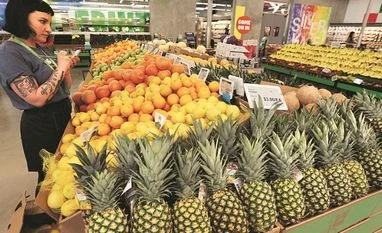
Whole Foods, store
An employee checks prices of lemons at a Whole Foods store.
Bloomberg
Last Updated : Jun 27 2017 | 10:36 PM IST
When Amazon.com’s $13.7 billion bid to buy Whole Foods was announced, John Mackey, the grocer’s chief executive officer, addressed employees, gushing about Amazon’s technological innovation.

“We will be joining a company that’s visionary,” Mackey said. “I think we’re gonna get a lot of those innovations in our stores.”

A major question about the acquisition is what Amazon’s technology will mean for those Whole Foods' workers. Will it make their jobs obsolete?

In negotiations, Amazon spent a lot of time analysing Whole Foods’ distribution technology, pointing to a possible way in which the company sees the most immediate opportunities to reduce costs. Experts say the most immediate changes would likely be in warehouses that customers never see. “The easiest place for Amazon to bring its expertise to bear is in the warehouses because that's where Amazon really excels,” said Gary Hawkins, CEO of the Center for Advancing Retail and Technology.

Whole Foods has 11 distribution centers specialising in perishable foods that serve its stores. It also has seafood processing plants, kitchens and bakeries that supply prepared food to each location. Those are the places where Amazon could initially focus, according to experts.

As Amazon’s business has grown, its warehouses have become more specialised. Adding robots to warehouses hasn’t dented Amazon’s hiring spree. The company had 351,000 employees at the end of March, up 43 per cent from a year earlier. Amazon has not had the fresh food sales volume to justify big investment in refrigerated warehouses. Whole Foods gives them an incentive to reinvent how groceries get to your store and doorstep.

After automating warehouses, Amazon may bring the robots to the stores. But don’t expect them to replace cashiers immediately. The first ones will likely navigate aisles to check inventory and alert employees when items run low, said Austin Bohlig, an advisor at Loup Ventures, which invests in robotics startups.

One subscription. Two world-class reads.

Already subscribed? Log in

Subscribe to read the full story →
*Subscribe to Business Standard digital and get complimentary access to The New York Times

Smart Quarterly

₹900

3 Months

₹300/Month

SAVE 25%

Smart Essential

₹2,700

1 Year

₹225/Month

SAVE 46%
*Complimentary New York Times access for the 2nd year will be given after 12 months

Super Saver

₹3,900

2 Years

₹162/Month

Subscribe

Renews automatically, cancel anytime

Here’s what’s included in our digital subscription plans

Exclusive premium stories online

  • Over 30 premium stories daily, handpicked by our editors

Complimentary Access to The New York Times

  • News, Games, Cooking, Audio, Wirecutter & The Athletic

Business Standard Epaper

  • Digital replica of our daily newspaper — with options to read, save, and share

Curated Newsletters

  • Insights on markets, finance, politics, tech, and more delivered to your inbox

Market Analysis & Investment Insights

  • In-depth market analysis & insights with access to The Smart Investor

Archives

  • Repository of articles and publications dating back to 1997

Ad-free Reading

  • Uninterrupted reading experience with no advertisements

Seamless Access Across All Devices

  • Access Business Standard across devices — mobile, tablet, or PC, via web or app

Next Story



