French food major Danone set to grow business in India amid slowdown

Danone had acquired a bunch of brands, including Protinex, Dexolac, and Farex, from Wockhardt in 2012 for Rs 2,600 crore.
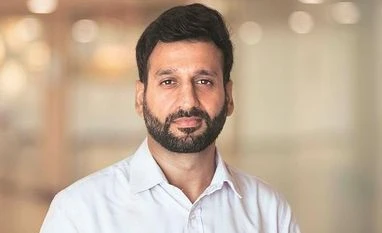
Himanshu Bakshi
Himanshu Bakshi, managing director, Danone India, says exit from the dairy market had been backed by renewed push for its nutrition portfolio
Arnab Dutta New Delhi
2 min read Last Updated : Oct 03 2020 | 1:19 PM IST
French food major Danone is expected to grow its business in India in 2020. In spite of disruptions and loss of sales due to the pandemic and the lockdown, the local unit will post better growth than last year, according to a top executive.

The makers of Protinex and Dexolac has already managed to bring its business back to the growth path. In September, for example, the company registered higher growth (year-on-year) than it did last year, said Himanshu Bakshi, managing director, Danone India.

Since its exit from the dairy space in 2018, the firm’s adult nutrition portfolio, led by Protinex, has been the largest contributor to its top line. While its infant nutrition business contributes a little more than 50 per cent, it is the adult nutrition business that is growing faster — “at a healthy double-digit rate”.
 

According to Bakshi, the company’s decision to exit from the dairy market had been backed by renewed push for its nutrition portfolio. The firm is now exporting Protinex to Thailand. “Protinex is our first Indian brand to be launched overseas,” he said.

Danone had acquired a bunch of brands, including Protinex, Dexolac, and Farex, from Wockhardt in 2012 for Rs 2,600 crore. 

To further ramp up its local portfolio, the firm is now planning to launch a bunch of new products in the nutrition space. Like in India, globally Danone competes directly with food and nutrition major Nestlé with some of its flagship brands like Actimel, Alpro, and Nutricia.
 

Capitalising on the growing health concerns among consumers due to the pandemic, Danone is setting its healthy living messaging at the forefront of its product communications. 

The recent disruptions, however, have altered the dynamics of the market. While e-commerce and general trade (local kiranas) have emerged as key distribution channels, one of the fastest growing retail channels in the past two years — the modern trade — has faltered. According to Bakshi, its field personnel have managed to streamline distribution but recovery in modern trade is some time away. 

“Recovery in modern trade will be gradual and slow,” he said.

One subscription. Two world-class reads.

Already subscribed? Log in

Subscribe to read the full story →
*Subscribe to Business Standard digital and get complimentary access to The New York Times

Smart Quarterly

₹900

3 Months

₹300/Month

SAVE 25%

Smart Essential

₹2,700

1 Year

₹225/Month

SAVE 46%
*Complimentary New York Times access for the 2nd year will be given after 12 months

Super Saver

₹3,900

2 Years

₹162/Month

Subscribe

Renews automatically, cancel anytime

Here’s what’s included in our digital subscription plans

Exclusive premium stories online

  • Over 30 premium stories daily, handpicked by our editors

Complimentary Access to The New York Times

  • News, Games, Cooking, Audio, Wirecutter & The Athletic

Business Standard Epaper

  • Digital replica of our daily newspaper — with options to read, save, and share

Curated Newsletters

  • Insights on markets, finance, politics, tech, and more delivered to your inbox

Market Analysis & Investment Insights

  • In-depth market analysis & insights with access to The Smart Investor

Archives

  • Repository of articles and publications dating back to 1997

Ad-free Reading

  • Uninterrupted reading experience with no advertisements

Seamless Access Across All Devices

  • Access Business Standard across devices — mobile, tablet, or PC, via web or app

Topics :DanoneIndian companies

Next Story


