With the rapid rise of e-commerce, going omnichannel is no longer an either-or choice for retailers. Instead, omnichannel capability is a must-have to accelerate growth. Landmark Group’s apparel brand Max Fashion is betting its shirt on an omnichannel strategy to double its revenue to Rs 5,000 crore by 2020. It has been working to build an exclusive online presence for over a year now. What has made the brand so optimistic is the fact that within six months of its app launch, Max Fashion witnessed four million-plus downloads. The company has already reached the net revenue mark of Rs 50-60 crore through the online route.
“At the moment we are focussed on building our omnichannel presence. The entire organisation needs to understand, learn, and be sold on the idea of an online/digital presence. This is the only way to build a sustainable business,” says Shital Mehta, chief executive officer, Max Fashion.
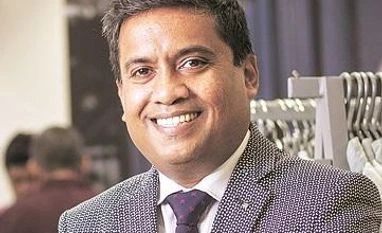
Shital Mehta, Chief executive officer, Max Fashion
Just look at the opportunity and it is easy to understand Max Fashion’s sudden aggression. The fashion retail market in India is estimated to grow from about 52 billion euros in 2017 to 85 billion euros in 2022, growing at a compound annual growth rate of more than 10 per cent during this period.
Encouraged by its early success, the retailer is looking to build a “true” omnichannel leveraging its extensive retail footprint comprising 250 stores across 100 cities. At present, the company has 2.7 million-plus square feet of retail space dedicated to value fashion.
Integrating the brick and mortar model with its online sales channel will not be easy, but Max Fashion plans to put in all it takes to offer buyers a seamless store and online buying experience. For example, the company is working on a model that gives consumers the option to shop online and have the goods delivered at home. They also have the option of buying goods online and returning them at physical store. The company is in the process of rolling this out nationally.
Commenting on Max Fashion’s omnichannel push, Rini Dutta, founder of Centric Brand Advisors, a firm specialising in brand positioning and sales strategy, says, “Today the customer is truly king. If she does not find what she is looking for in a store or a website, she will quickly move to another one. As choices increase, bonds of loyalty become ever more tenuous, and it is difficult to find repeat consumers.” In this situation, omnichannel is one of the means to keep a customer from switching to another brand, she adds. “Most other brands are doing the same. Everything here too boils down to the kind of customer experience that a brand delivers,” she says.
Over a period of time, Max Fashion is keen on creating a complete virtual store where consumers can access and buy a wide assortment of clothing. “The objective is to cover the entire journey of content to commerce as an organisation to make Max Fashion available anytime and anywhere — the same way pureplay online fashion retailers are doing,” says Mehta.
Even as Max Fashion focuses its energy on scaling up its omnichannel operations, it is working to expand its brick-and-mortar network aggressively. It plans to open more than 60 stores this year. The company’s expansion has two legs. First, the retailer is looking to increase its penetration in the top 20 cities, primarily metros. For example, in Bengaluru it has more than 25 stores and depending on demand on key localities it will open more stores. Second, it is looking to open more stores in tier II and tier II cities that show high demand for fashion apparel but are under-penetrated. Some such under-served markets would be Pune, Ahmedabad, Coimbatore, Lucknow and Bhubaneswar.
According to Dutta, Max Fashion is known for affordable fashion. It offers good quality, attractively designed apparel and attentive customer service. As it expands its store count, the challenge would be about maintaining the retail experience — ensuring it does not get diluted with scale. This refers to both tangible benefits (quality, style, range) and intangibles (sensorial experience at the store, customer services).
Importantly, as brands expand their geographical footprints, the merchandise mix needs to appeal to customers in the catchment area. Else, the brand might end up saddled with unsold merchandise at the end of every season.
Umashankar Venkatesh, professor, Great Lakes Institute of Management, Gurgaon, says, “The retailer may also test if a range with slightly lower price point across categories can be introduced as one of its store brands. That is because the new competition for Max Fashion in smaller towns is going to come from brands like Future Group’s FBB that already commands a large footfall due to its wide presence in small towns. Plus, it offers household necessities. Then there are chain stores like V Mart as well as mom-and-pop stores selling white label as well as branded products. There are regionally aligned smaller chain stores also to contend with.”
Max Fashion’s Mehta says the firm has launched a sharply positioned concept through a small brand format called EasyBuy. Currently, it is available in select markets in the south. Spread across 4,000 to 6,000 square feet of retail space, EasyBuy offers apparels priced under Rs 699.