After three difficult years, Essar Power with a total planned generation capacity of 6,100 Mw hopes to make all its projects operational by 2019-20, in phases. The company's executive vice-chairman
Sushil Maroo tells Sanjay Jog that the improvement in the domestic coal availability, fall in the price of imported coal, softening of gas prices, and the central government's new initiatives are big positives for a turnaround. Edited excerpts:
What is the present status of your power projects? During the past three years, the company faced a lot of difficulties in the completion of units, starting the operations, sale of power in the market, procurement of fuel, especially coal and gas, and the collection of money to pay off lenders. Those years were nightmarish... the company has seen the lowest possible level. However, it is time to look up.
For the 1,200-Mw imported coal-based plant at Salaya (Essar Power Gujarat), the power purchase agreement (PPA) with Gujarat Urja Vikas Nigam (GUVNL) was signed in 2010 based on competitive bidding. However, due to the jump in international coal prices, the variable cost — which was planned at the time of PPA signing — escalated 70-80 per cent and the plant became unviable. There was no Ebitda (earnings before interest, taxes, depreciation and amortisation) margin left and it went into the negative territory. So, it became difficult for the company to pay the banks. The Salaya project almost eroded its equity and 80 per cent of its net worth went away. However, the promoter company pumped in a lot of money to keep the account alive. But now, the widening of the coal basket has resulted in a drastic fall in prices of imported coal. The Salaya project has become profitable and the 80 per cent net worth that eroded has started coming back. From a negative company, Essar Power Gujarat has, for the first time, become PAT (profit after tax) positive.
As far as the 1,200-Mw Mahan plant (Essar Power MP Ltd) and 1,200 in Tory project (Essar Power Jharkhand Ltd) are concerned, both were designed primarily as domestic captive coal-based. When the plant was designed and location was planned, only two things were kept in mind — coal pithead and evacuation of power by laying transmission lines. In Mahan, the company completed the whole project and it’s ready to start. However, the plant is shut for the past three years as coal was not available. The company is now required to buy coal from far off mines but at least coal is available at reduced prices. The company has commenced operations of unit-I (600 Mw) in April and it hopes to commission unit-II (600 Mw) in September. The company is participating in the upcoming PPA tenders and plans to tie up significant capacity.
In case of the Tory plant, the coal mine was cancelled when the plant was half-completed. The company has so far spent about Rs 4,000 crore. However, the lenders stopped funding, following the cancellation of the coal mine, but they are charging the interest during the construction, which has shot up four times. This also led to a substantial rise in the project cost. The company had 90 per cent-plus PPA, but the plant could not operate for the past two years. The company expects the Tory project revival with the new coal linkage policy. We’ll sign the revised PPA with the Jharkhand government by June this year and it will help it get the mega-plant status.
Why are gas-based projects still a non-starter? The company started on a strong footing and developed 1,015 Mw of gas-based capacity including Essar Power (515 Mw) and Bhander Power (500 Mw). The 500-Mw plant was supplying power to GUVNL (300 Mw) and to Essar Steel (215 Mw). However, after the gas supply was stopped, the plant was shut down. It remains closed for the past two years. The government came out with the gas-pooling policy last year, but since Gujarat was not very keen to buy power at that cost, the plant could not be revived.
However, with the fall in RLNG (re-gasified liquefied natural gas) prices to $4 per million British thermal unit, the company is currently engaged in the procurement of gas from a domestic supplier and will also launch negotiations with suppliers from outside. The company hopes to restart the 515-Mw capacity by May.
Similarly, the Bhander plant has not been functioning for some time now owing to high gas prices. However, it will be restarted soon due to fall in gas prices.
What is the net debt at the group level? Outstanding debt for power business is close to Rs 20,000 crore. Already restructured Rs 10,000 crore under 5/25 scheme and hope to complete up to Rs 18,000 crore.
This apart, Essar Power Orissa Ltd (EPOL), the holding company has a net debt of Rs 3,600 crore. Of which it has repaid Rs 1,550 crore in the last one year and the balanced debt will be repaid through past claims to be received from the government owned utility and/or monetization of investments in the subsidiaries.
Where do you peg the current ratio of captive and merchant power business? Nearly 50 per cent of the operational capacity is used for captive consumption. The group expects couple of its companies to turn PAT positive.

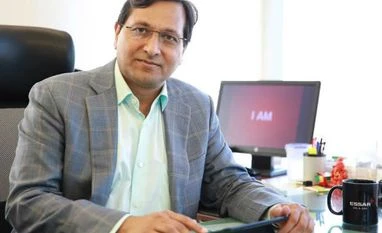 "It's time to look up after three years of nightmare: Sushil Maroo")

