Krishna Kumar set to hang up boots at Tata Sons
Paves way for Cyrus Mistry to induct new board members
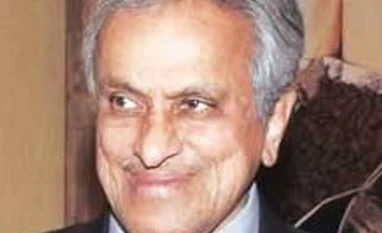
Dev Chatterjee Mumbai R K Krishna Kumar, Tata Sons director and a close confidant of former Tata Group chairman Ratan Tata, is set to retire by next month, paving the way for the restructuring of the boards of holding companies Tata Sons and Tata Industries.
Kumar, who turns 75 on July 18, would shift from Bombay House to Tata Trust's office in Elphinstone building, where he, with Ratan Tata, would work on the group's charity initiatives, sources say. Kumar would also retire as vice-chairman from the board of Indian Hotels, operators of the Taj Group, according to the Tata Group's retirement policy.
After Kumar's exit, Tata Sons Chairman Cyrus Mistry would induct new members on the Tata Sons and Tata Industries boards. Currently, apart from Mistry, the Tata Sons board comprises old-timers F K Kavarana, R Gopalakrishnan and former finance director Ishaat Hussain.
During his four-decade tenure at the Tata Group, Kumar led many big-ticket acquisitions, including the buyout and sale of Glaceau vitamin water in the US, for a huge profit. He had also helped the group forge various global alliances, including with global coffee chain Starbucks. The group's unsuccessful attempt to take over Bermuda-based Orient Express luxury hotel chain would be one of the sour points of Kumar's tenure at the company.
When the iconic Taj Mahal hotel had come under terrorist attack attacks here in November 2008, Kumar had led the operations to rescue hundreds of staff and guests.
Both Ratan Tata and Kumar would continue to wield considerable clout in the group, as group trusts own 66 per cent stake in Tata Sons. Sir Dorabji Tata Trust and Sir Ratan Tata Trust, the two Ratan Tata now chairs, have sweeping powers in the constitution of a selection committee to appoint Tata Son's chairmen.
The trusts also have the power to appoint or remove a chairman, with their own three-member quorum of the selection panel, according to Tata Sons' changed articles of association filed with the government. Under these articles, three of the selection committee's five members would be nominated by the trusts, while Tata Sons would appoint one member; the fifth would be an independent person. The trusts would select the committee's chairman from among the members nominated by them. Earlier, the selection was carried out by the entire five-member panel.

 "Krishna Kumar set to hang up boots at Tata Sons")


 Connect with us on WhatsApp