Mystery surrounds Walmart-Flipkart deal as Softbank's Son in wait mode

Why was the deal announced in a hurry if SoftBank was yet to take a call on selling its stake, especially if it wanted 10 more days for a decision, asked another analyst
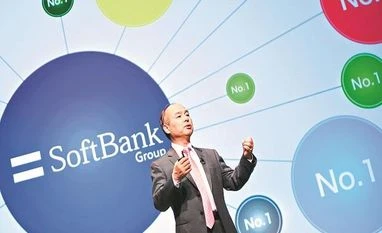
Masayoshi Son
SoftBank founder and CEO Masayoshi Son
Karan ChoudhurySudipto Dey New Delhi
Last Updated : May 12 2018 | 9:55 AM IST
Masayoshi Son-led SoftBank has kept the $16-billion Walmart-Flipkart deal in suspense and how. Soon after the mega transaction was signed and announced, the indications coming from the Tokyo-headquartered SoftBank, the largest investor in Flipkart, suggest there’s more to the deal. Sources close to the Japanese investor said there was no exit by SoftBank, taking the stakeholders by surprise.

The sequence of events is curious, a source said. Son gave it away in an investor call on Tuesday, a day before the deal announcement, that Bentonville-based Walmart had acquired Flipkart and that SoftBank’s 2017 investment of $2.5 billion in the Bengaluru firm was now worth $4 billion. Walmart announced on Wednesday it was buying 77 per cent in Flipkart for $16 billion. The same day, it informed the Nasdaq, while the top executives addressed analysts from all over the world on the big buy that valued Flipkart at around $21 billion and met employees of the Bengaluru firm in a townhall. On Thursday, there was another townhall at Walmart India office and a roundtable with editors to explain the contours of the largest M&A transaction in India. By this time an unexpected buzz had begun gaining momentum that SoftBank may rethink its decision to sell the stake (20.79 per cent) in Flipkart.

However, sources close to the SoftBank group told Business Standard on Friday, that it was not a matter of rethink. Rather, its founder, Son, had not agreed to sell the stake his company owns in Flipkart, they said. “People jumped the gun and thought he was selling his stake. He is still weighing options as there is an obvious tax implication and they are still deciding if they want to get out of the most valued company in India in just 11 months.” According to these sources, Son had not signed any definitive deal with Walmart. SoftBank would  take up to 10 days to make a final call, they added. An analyst tracking the deal pointed out if that was the case, the $16-billion deal might need to be renegotiated.

Why was the deal announced in a hurry if SoftBank was yet to take a call on selling its stake, especially if it wanted 10 more days for a decision, asked another analyst. Also, how was the 77 per cent stake buy of Walmart arrived at if SoftBank was yet to decide on selling its stake in Flipkart, was yet another question being thrown around.   

ALSO READ: After Walmart deal, start-up ecosystem to cash in on Flipkart millionaires

But other sources familiar with the deal said the SoftBank founder and chief executive did indeed sign on the dotted line. “Everyone, including Son, has signed all the requisite papers for the stake sale. Not only that, it (SoftBank) has agreed to sell its entire 20.79 per cent stake to Walmart,” one of the sources pointed out. In fact, a source close to Walmart emphasised that no one had jumped the gun on announcing the deal and that everything had gone according to plan.


Neither Walmart, nor SoftBank commented on the matter.  

Analysts attributed SoftBank’s change in stand to the tax implications of the deal. According to legal experts, in large and complex merger and acquisition deals, there are pre-transaction agreements, subject to meeting regulatory and compliance conditions.   


In many instances, there are collateral contracts that have to be honoured before the final transaction takes place. “Stakeholders renegotiating their position in a deal are not unusual. In many instances, the idea is to avoid litigation among stakeholders,” said L Badri Narayanan, partner, Lakshmikumaran & Sridharan.


If SoftBank changes its position on stake sale, Walmart may not make the 77 per cent cut, putting pressure on all the stakeholders to renegotiate the terms and conditions, noted analysts.

A tax expert said it was unusual that SoftBank would have not factored in the tax implications while agreeing to the deal. “They may be bargaining for some time to minimise their tax outgo and to have a fresh look at their investments in India,” said another expert.

The Japanese telecom and media conglomerate has invested around $6 billion in India over the last three years. Its investment portfolio includes brands like Ola, Snapdeal and Paytm, besides Flipkart.


One subscription. Two world-class reads.

Already subscribed? Log in

Subscribe to read the full story →
*Subscribe to Business Standard digital and get complimentary access to The New York Times

Smart Quarterly

₹900

3 Months

₹300/Month

SAVE 25%

Smart Essential

₹2,700

1 Year

₹225/Month

SAVE 46%
*Complimentary New York Times access for the 2nd year will be given after 12 months

Super Saver

₹3,900

2 Years

₹162/Month

Subscribe

Renews automatically, cancel anytime

Here’s what’s included in our digital subscription plans

Exclusive premium stories online

  • Over 30 premium stories daily, handpicked by our editors

Complimentary Access to The New York Times

  • News, Games, Cooking, Audio, Wirecutter & The Athletic

Business Standard Epaper

  • Digital replica of our daily newspaper — with options to read, save, and share

Curated Newsletters

  • Insights on markets, finance, politics, tech, and more delivered to your inbox

Market Analysis & Investment Insights

  • In-depth market analysis & insights with access to The Smart Investor

Archives

  • Repository of articles and publications dating back to 1997

Ad-free Reading

  • Uninterrupted reading experience with no advertisements

Seamless Access Across All Devices

  • Access Business Standard across devices — mobile, tablet, or PC, via web or app

Next Story



