One way around the retail FDI barrier
Marks & Spencer's routing its products through online marketplaces is quite legal and other foreign brands could follow
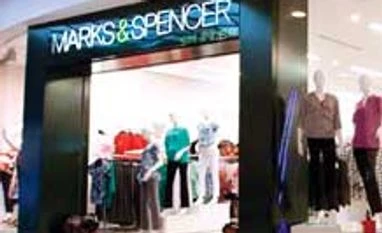
Karan Choudhury British fashion and lifestyle brand Marks & Spencer (M&S) may have shown the way to other international retailers on how to go online in India. On Thursday, M&S announced it would sell on Flipkart and Myntra.
Analysts said this was a means for single-brand retailers to grab a slice of the online pie. Retailers with foreign direct investment (FDI) cannot themselves sell online but no rule bars them from selling on online marketplaces like those of Flipkart, Snapdeal and Amazon India.
“We have followed all the legalities of the FDI policy. This is an approach we have successfully followed in China through our presence on its two leading marketplaces, Tmall.com and JD.com,” an M&S spokesperson said. M&S has 50 stores in India and operates through a joint venture with Reliance Industries.
Experts believe with Indian e-commerce marketplaces gaining traction, single-brand retailers such as Zara, H&M, GAP and M&S--which have an online presence in almost every other country where they operate--cannot afford to ignore.
“FDI norms do not allow such players to sell online but internationally these brands have a massive Internet presence and a huge customer base. So the next best option for them is to tie up with e-marketplaces,” said Rohit Bhatiani, director, Deloitte in India.
M&S is not the only one trying to sell online. Recently opened Swedish fashion retail chain Hennes and Mauritz AB (H&M) also hopes to sell online at some stage. “Currently we are not allowed to do that. In the future we hope it is given a go-ahead, as it is a natural part of the business. For now, we are focusing on opening stores. At some stage, we will look at the online segment, too, as it is an area that interests us. We will not use other online marketplaces to sell our products,” Janne Einola, chief executive of Hennes and Mauritz, had said.
Ikea, the world’s largest furniture company, is expected to open its first store in India in 2017 and is also keen to sell online. India was the only country where Ikea was not allowed to sell online, company executives said.
“Brands have to evaluate e-commerce as it is a big opportunity and most want to be available offline as well as online. The only worry some brands have is about being discounted indiscriminately by marketplace funding,” said Kumar Rajagopalan, chief executive, Retailers Association of India.
However, others believe that big international fashion brands like M&S will build safeguards in their contracts with online marketplaces. “Online marketplaces are trying to gain a foothold in the fashion apparel sector and association with big brands helps them gain credibility,” added Bhatiani.

 "One way around the retail FDI barrier")


 Connect with us on WhatsApp