It could be a fashion retailer packing up a box of outfits or accessories every month or a big grocery brand sending out a batch of monthly essentials—whatever the form or content, boxes are in. As millennials hunt for personalised, experience-driven consumption, brands are clambering on to the trend, looking for a way into their shopping lists and hoping to lock in their loyalty.
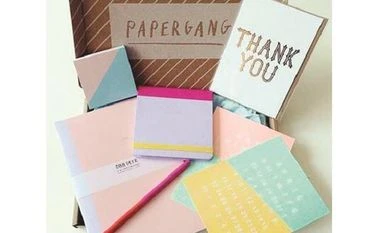
A clutch of home grown brands such as Stylecracker (fashion), Fab Bag (beauty), The Big Book Box (books) and PaperGang (stationery), Bokksu (premium Japanese snacks and teas) among others have mushroomed over the past few years, using social media, especially Instagram, to drive scale to their sharply targeted businesses.
Papergang appeals to consumers with a fascination for stationery
Subscriptions boxes are a collection of themed items, from beauty products to house essentials, delivered to a customer’s doorstep. Consumers sign up by paying a sum upfront, or every month. In exchange, they get a regular supply of essentials or a curated box, based on their wants and desires.
According to a McKinsey report (Thinking inside the subscription box, 2018), there are three broad types of subscriptions: replenishment (Ustraa), curated (Stylecracker), and access (Zomato Gold). Curated services, with 55 percent of total subscriptions, are by far the most popular, suggesting a strong desire for personalised services, the report said. Replenishment, which provide household or personal essentials, accounts for 32 per cent while access, special benefits on a common service, form 13 per cent.
According to Karishma Changroth, associate account director, Dentsu Webchutney, curation brands promise to provide consumers what they want without asking them to spend time and effort to look for it. Replenishment services enable recurring purchases and restocking. “While most may still be vary of paying a lump sum, the perceived value of these boxes could justify the costs with flexible subscription periods, personalisation, curation by experts, exclusivity and convenience,” she added.
The Big Book Box offers books to meet the reading tastes of their subscribers
Evidence of growing popularity lies in the burgeoning numbers on Instagram and the expanding profile of such brands offline. Stylecracker, for instance, has Alia as brand ambassador. The brands say they are learning and growing every day. “Instagram is where we built our community, but it’s not the only medium of sales. Our major advertising platform is Facebook,” said Surabhi S Rai, co-founder, The Big Book Box.
Globally, subscription boxes are part of the mainstream shopping experience. In India, however, subscription boxes largely depend on a mix of word-of-mouth promotions and social media chatter to push their brands.
Subscription box services are using data to develop sharper marketing tools. For instance, ‘curation box’ services are mostly used by women and The Little Book Box uses this knowledge to include surprise gifts and trinkets in their boxes, which might not necessarily appeal to men. Similarly replenishment boxes that offer convenience over impulse are pitched mostly to men as they find greater appeal in that demographic, according to the McKinsey report.
The McKinsey report reveals that the demand for subscription boxes comes from a sense of experimentation. Changroth says that self-indulgence and even self-reward has become an integral part of the millennial lifestyle and subscription boxes hit this sweet spot of the “treat yourself” mantra.