Race-ready: The new Yamaha YZF R15 moves like a thoroughbred racer

The Yamaha YZF R15 v3.0 has a 155 cc single cylinder, liquid-cooled engine in place of the older 149 cc engine
Graph
Aakash S Paul
Last Updated : Apr 16 2018 | 1:40 PM IST
The new Yamaha YZF R15 v3.0 draws a lot of inspiration from the R1. This is most evident at the front with the twin headlamps that have become sleeker and now get LED lights in place of halogen bulbs. There is a triangular fake air vent between them and even the nice and big wind screen is just like the one found on the R1. The fuel tank looks sharper and gets gills just above the fuel fill cap. Even the LED tail-lamp has become slimmer and looks better. The pillion seat has been pushed down a little while the rider seat height has gone from 800 mm to 815 mm.  While not immediately evident, the clip-on bars are slightly lower and the foot pegs pushed back. 

All of this makes for a very aggressive riding position and leaning in is fairly easy. However, I am not too sure if this aggressive position will make for a comfortable ride in the city.

The R15 v3 comes with an all-digital LCD instrument panel that is a departure from the part-digital, part-analogue setup on the previous bikes. 

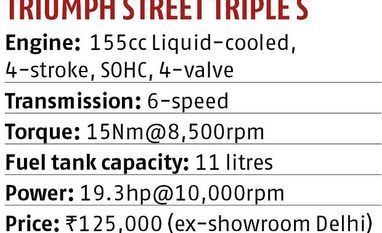
The Yamaha YZF R15 v3.0 has a 155 cc single cylinder, liquid-cooled engine in place of the older 149 cc engine. This increase in displacement as well as some more improvements made to the engine has resulted in a higher power output of 19.3hp@10,000rpm. 

Yamaha YZF R15 tech specs
This is about 3hp more than the v2.0. While this is a high revving motor, the addition of Variable Valve Actuation (VVA) has made things a little more exciting throughout the rpm band. The R15 v3.0 felt very linear when I stretched its legs on a straight and there was enough power at my disposal when exiting corners. However, I would have definitely liked it if the engine pulled a little more at lower speeds. The six- speed transmission is a delight to navigate through. Part of that can be attributed to the assist and slipper clutch, which makes the up shift effortless and give you the ability to downshift quickly without using the clutch.

The suspension setup, overall, is stiff enough to provide a stable and agile performance. This is nicely complemented by the fatter 17-inch tyres. Despite the lack of ABS, the 280 mm disc in the front and the 220 mm disc brake in the rear packed a lot of bite.

One subscription. Two world-class reads.

Already subscribed? Log in

Subscribe to read the full story →
*Subscribe to Business Standard digital and get complimentary access to The New York Times

Smart Quarterly

₹900

3 Months

₹300/Month

SAVE 25%

Smart Essential

₹2,700

1 Year

₹225/Month

SAVE 46%
*Complimentary New York Times access for the 2nd year will be given after 12 months

Super Saver

₹3,900

2 Years

₹162/Month

Subscribe

Renews automatically, cancel anytime

Here’s what’s included in our digital subscription plans

Exclusive premium stories online

  • Over 30 premium stories daily, handpicked by our editors

Complimentary Access to The New York Times

  • News, Games, Cooking, Audio, Wirecutter & The Athletic

Business Standard Epaper

  • Digital replica of our daily newspaper — with options to read, save, and share

Curated Newsletters

  • Insights on markets, finance, politics, tech, and more delivered to your inbox

Market Analysis & Investment Insights

  • In-depth market analysis & insights with access to The Smart Investor

Archives

  • Repository of articles and publications dating back to 1997

Ad-free Reading

  • Uninterrupted reading experience with no advertisements

Seamless Access Across All Devices

  • Access Business Standard across devices — mobile, tablet, or PC, via web or app

Next Story


