
Serum Institute acquires Czech firm to expand polio vaccine capabilities
The Pune-based firm is expanding manufacturing facilities & launching new products
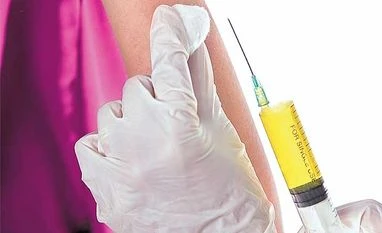 "Serum Institute acquires Czech firm to expand polio vaccine capabilities")
premium
Explore Business Standard

Associate Sponsors
Co-sponsor
The Pune-based firm is expanding manufacturing facilities & launching new products
Serum Institute of India (SII) is widening its manufacturing footprint and launching new products as it aims to consolidate its position as the world's largest vaccine manufacturer by volume.
On Tuesday, Pune-based Serum Institute acquired the Czech arm of a US-based firm- Nanotherapeutics -for 72 million Euros (around Rs 500 crore) as part of its growth strategy. This is the second overseas acquisition by the company in a period of five years and is likely to quadruple its injectable polio dosage capacity to 200 million doses a year by 2019. The company will invest another 40 million Euros (about Rs 280 crore) to upgrade Nanotherapeutics's manufacturing plant over the next two years. At present the plant is idle.
"This acquisition complements our facility in Netherlands which we acquired five years ago and will increase our injectable polio vaccine capability four times to 200 million doses. While there is a requirement of 300 million doses each year globally, the production capacity stands at 100 million only and we will be able to bridge the gap (through this acquisition)," said Adar Poonawala, the chief executive officer of Serum Institute.
At present, government regulations do not allow the manufacturing of polio vaccines in India.
"We will fund this acquisition through internal accruals," Poonawala said and added there was no plan to sell stakes in the firm. He added that the company continues to look at acquisitions as opportunities for inorganic growth.
SII was founded by Adar's father Cyrus Poonawala who is among the richest Indians with a personal net worth of $9 billion according to the Bloomberg Billionaires Index.
According to the company, it will commission its new manufacturing plant in Pune in the next two years. It also plans to launch rota virus vaccine in next 2-3 months, which it hopes will fuel growth this year.
In FY16, the vaccine manufacturing major had an annual sale turnover of Rs 4,000 crore with 80 per cent of its revenue coming from exports. Around 95 per cent of business accrues from supply to government programmes around the world and the remainder is derived from sales to hospitals and doctors.
According to the company, it has seen over 30 per cent CAGR in sales and profit in last five years.
Last year the company had tied up with Cipla to market its vaccines in Europe. However, the marketing plans fell through with Cipla withdrawing its front-end sales force in many European countries. Serum Institute is now looking for new marketing partners in Europe.
Already subscribed? Log in
Subscribe to read the full story →

3 Months
₹300/Month
1 Year
₹225/Month
2 Years
₹162/Month
Renews automatically, cancel anytime

Over 30 premium stories daily, handpicked by our editors


News, Games, Cooking, Audio, Wirecutter & The Athletic
Digital replica of our daily newspaper — with options to read, save, and share


Insights on markets, finance, politics, tech, and more delivered to your inbox
In-depth market analysis & insights with access to The Smart Investor


Repository of articles and publications dating back to 1997
Uninterrupted reading experience with no advertisements


Access Business Standard across devices — mobile, tablet, or PC, via web or app
First Published: Apr 25 2017 | 7:23 PM IST

