SpiceJet: Seasonally weak Q2 could add to company's accumulated losses

The company is operating at less than half of its pre-Covid schedule and also has much lower load factors currently
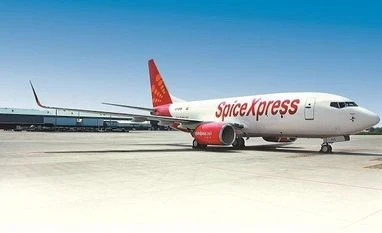
Spicejet
Freighter and logistics segment now accounts for 32 per cent of the company’s revenues.
Ram Prasad Sahu Mumbai
2 min read Last Updated : Sep 17 2020 | 12:59 AM IST
The reduction in aviation turbine fuel (ATF) prices, for the second time in September, came as a breather. 

Yet, InterGlobe Aviation (IndiGo) and SpiceJet closed 0.3-1.6 per cent down in trade on Wednesday. 

Given that the cut in ATF prices followed price hikes in June, July, and August, gains remained limited.  

Fuel is the single biggest cost head for airlines, accounting for 40 per cent of revenues. Muted Q1 results, a seasonally weak September quarter, and moderating passenger traffic all weighed on sentiment.

Average volumes — in the 16th week of resumption in air travel — declined to 115,000 passengers, against 124,000 fliers last week. Analysts at ICICI Securities say these are early trends and should improve at a rate depending on the trajectory of the Covid-19 impact.

The pandemic led to an 83 per cent year-on-year fall in SpiceJet’s revenues. The carrier is operating at less than half of pre-Covid schedule, and has much lower load factors. While passenger revenues were understandably lower, the focus on cargo operations helped sales from the segment rise 144 per cent.


The freighter and logistics segment now accounts for 32 per cent of SpiceJet’s revenues.  Though not comparable to the March quarter as passenger services in the pre-Covid period were much larger, cargo operations were under 3 per cent of revenues in the quarter. 

While cost-control measures and lower fuel costs come as a positive, the weak operating leverage led to consolidated losses of Rs 600 crore. This has further aggravated the net worth situation, with liabilities exceeding assets by Rs 2,170 crore as of June 30. 

Higher compensation from Boeing and the return of MAX aircraft into operations by the March quarter are positives. However, losses are likely to continue over the next few quarters, and net worth could be in the red to the tune of Rs 5,000 crore for FY21, according to BOBCAPS. 

While listed aviation stocks SpiceJet and IndiGo control three-fourths of the passenger volumes between them, investors should avoid these companies for now, given the weak operating metrics as well as elevated valuations.

One subscription. Two world-class reads.

Already subscribed? Log in

Subscribe to read the full story →
*Subscribe to Business Standard digital and get complimentary access to The New York Times

Smart Quarterly

₹900

3 Months

₹300/Month

SAVE 25%

Smart Essential

₹2,700

1 Year

₹225/Month

SAVE 46%
*Complimentary New York Times access for the 2nd year will be given after 12 months

Super Saver

₹3,900

2 Years

₹162/Month

Subscribe

Renews automatically, cancel anytime

Here’s what’s included in our digital subscription plans

Exclusive premium stories online

  • Over 30 premium stories daily, handpicked by our editors

Complimentary Access to The New York Times

  • News, Games, Cooking, Audio, Wirecutter & The Athletic

Business Standard Epaper

  • Digital replica of our daily newspaper — with options to read, save, and share

Curated Newsletters

  • Insights on markets, finance, politics, tech, and more delivered to your inbox

Market Analysis & Investment Insights

  • In-depth market analysis & insights with access to The Smart Investor

Archives

  • Repository of articles and publications dating back to 1997

Ad-free Reading

  • Uninterrupted reading experience with no advertisements

Seamless Access Across All Devices

  • Access Business Standard across devices — mobile, tablet, or PC, via web or app

Topics :CoronavirusSpiceJetQ2 resultsIndian airlines

Next Story



