
Cash transfer scheme improves maternal, infant health care in Odisha: Study
As many as 60% women across 1,161 households in three districts were enrolled in the scheme and 90% enrolled mothers had received the money
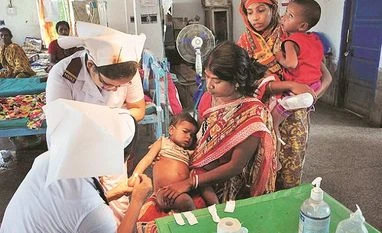 "Cash transfer scheme improves maternal, infant health care in Odisha: Study")
premium
WebinarsNew
Deep DiveNew
Explore Business Standard
As many as 60% women across 1,161 households in three districts were enrolled in the scheme and 90% enrolled mothers had received the money
There was a 5-percentage-point increase in the possibility of receiving antenatal services–such as full body check ups, blood tests, information about baby’s position and health–due to the Mamata Scheme, a conditional cash transfer programme of Rs 5,000 over four installments to pregnant and lactating women in Odisha.
The beneficiaries of the scheme, launched in 2011, were more likely to adhere to the specified conditions–especially during the pregnancy–and increased pregnancy registrations, according to this 2017 study of the scheme by Partnerships and Opportunities to strengthen and Harmonise Actions for Nutrition in India (POSHAN), an advocacy.
A 10-percentage-point increase in the possibility of receiving iron and folic acid tablets to prevent and treat anaemia among women was also noticed, the study said.
As many as 60% women across 1,161 households in three districts were enrolled in the scheme and 90% enrolled mothers had received the money, the POSHAN study found.
The scheme pays the money in four instalments: First after the second trimester, and the remaining at three, six and nine months after the delivery.
Odisha has reported the highest point decrease–56–in infant mortality rate (IMR), deaths under one year of age per 1,000 live births, nationwide since 2000. The IMR has fallen to 40 in Odisha, lower than the national average of 41.
Source: National Family Health Survey, 2015-16
Empowering women has direct effect on child health
A child’s nutritional level is directly proportional to the mother’s income and quality of child care received, according to this World Bank study on Gender and Development. On the contrary, no such impact is seen by the increase in paternal income.
Women have a larger propensity to spend on family needs and child nutrition than men, the World Bank study said.
The Mamata Scheme has also positively affected the food security of households and led to positive impacts on adherence to conditions related to health and nutrition of the child, the Poshan study found.
(Patil is an intern with IndiaSpend.)
Reprinted with permission from IndiaSpend.org, a data-driven, public-interest journalism non-profit organisation. You can read the original article here.
Already subscribed? Log in
Subscribe to read the full story →

3 Months
₹300/Month
1 Year
₹225/Month
2 Years
₹162/Month
Renews automatically, cancel anytime

Premium stories handpicked daily by our editors


News, Games, Cooking, Audio, Wirecutter & The Athletic
Digital replica of our daily newspaper — with options to read, save, and share


Insights on markets, finance, politics, tech, and more delivered to your inbox
In-depth market analysis & insights with access to The Smart Investor


Repository of articles and publications dating back to 1997
Uninterrupted reading experience with no advertisements


Access Business Standard across devices — mobile, tablet, or PC, via web or app
First Published: Feb 15 2018 | 7:29 AM IST


 Connect with us on WhatsApp