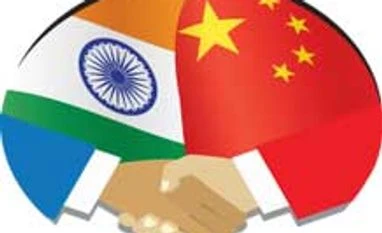
China and India bat together on Day-1
Union cabinet approves redlines asking negotiating team to work with developing countries
Nitin Sethi New Delhi On the first day of Lima talks, China reiterated it continued to be part of the Like Minded Developing Country (LMDC) group, which has India and other developing countries in it.
Speaking at an event, which also had the leader of the Indian negotiating delegation Ravi S Prasad as co-panelist, Chinese delegation head Sui Wei said, “Certainly we will remain in the LMDC and the developing countries in general.”
He was responding to a query whether China still saw itself sitting with developing countries after making the joint announcement with the US recently to peak its emissions by around 2030. He added that even under the joint announcement, China had “committed to a Paris agreement that is based on the principles of CBDR (common but differentiated responsibilities) and equity and is under the Convention, and which is aimed at enhancing the implementation of the Convention.”
The Chinese statement comes after questions arose in many circles, including some in India, that China would side with the US from Lima onwards and would go quiet on critical junctures critical for developing countries. Some experts had recommended that India should move away from China as a fallout of the US-China joint announcement.
Prasad, who was also speaking on the occasion, said: “The Paris agreement should cover all elements, which must all be on the same footing as mitigation, adding that an agreement without finance and technology transfer would not fly.” He, too, stressed the importance of the principles of equity, historical responsibility and common but differentiated responsibilities as the basis of the agreement.”
The two were speaking on Monday at an event organised by the Third World Network and the South Centre on the sides of main negotiations. On Tuesday in Delhi, the Union Cabinet also cleared the brief for the Indian negotiating team to continue to work with developing countries “based on the principles of the United Nations Framework Convention on Climate Change and Kyoto Protocol.” The media release from the government said India “would also enhance the solidarity among the developing countries on these issues”.
China and India’s coming together on a common platform on the first day itself held political significance for the multilateral talks. It took place on the same day when LMDC made strong initial statements at the formal Lima talks. It signalled their continued alignment on how the Paris 2015 agreement should shape up in nature and form.
While India has also decided to make an announcement by January enhancing its existing targets to fight climate change, it continues to demand that the 2015 agreement is based on existing provisions and principles of the UN climate convention. This was also evident in the statements that Prasad made along with the Chinese official at Lima on Day One.

 "China and India bat together on Day-1")


 Connect with us on WhatsApp