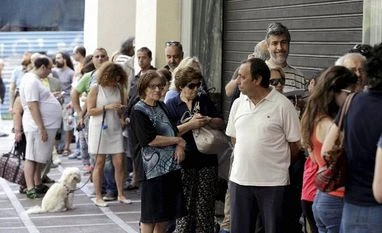
The ongoing problems in distant Greece have the potential for wide-ranging global consequences. Experts are talking about capital controls, the possibility of contagion and the risks for financial institutions with exposure to Greek securities. While all of these global concerns are real and important, they may seem a little remote for the average individual. But a global financial crises does have an impact on everyday life too, sometimes affecting unexpected things:
Your investment horizon Last time the world was in the midst of a serious financial crises was in 2008, after the collapse of global banking giant Lehman Brothers. A number of investors had pumped in large amounts of money into the Indian equity markets, spurred on by the best bull run seen in years. The crash that followed meant that many investors were stuck with paper which was trading below their buying price for years. They turned long-term investors, wary of booking losses. The latest financial year has also seen record inflows into mutual funds and equity markets. Behavioural finance experts suggest that investors are more comfortable booking profits, than losses.
Your salary The Lehman Brothers' collapse had hit global business hard. Companies made less money, and were less willing to pay it out to employees as a result. Pay hikes were low, or non-existent. Many Indian companies instituted hiring freezes, lay-offs and pay-cuts. Your salary is unlikely to grow very fast if the world is on fire.
Your jewellery In the midst of all this gloom, you may be glad to know that at least one asset class that you own is likely to appreciate in value. Your family jewelry will probably become more valuable if the crises worsens. Global turmoil has historically resulted in a rush for buying gold. The yellow metal is seen as a financial safe-haven, gaining even as other asset classes collapse. The current crises in Greece has already pushed up demand for Gold, with prices firming up as worries worsen.
Your child's foreign degree A reduction in risk appetite is likely to also result in capital outflows from emerging market countries like India. This weakens the currency, which means that you can buy fewer goods and services abroad for a rupee than you could before. In other words, foreign education becomes more expensive.
Your fuel bill Any global financial crises reduces economic activity. This means that all commodities which are used to keep the global economy running, including crude, would see a massive reduction in demand. Prices of crude oil would fall, and so could your fuel bill. In fact, it already seems to be happening.

 "Five ways Greece crisis can affect your life")


 Connect with us on WhatsApp