Medicine to treat swine flu in short supply, govt says no scarcity of drugs
Govt denies a shortage, lists various measures taken to address the situation
BS Reporter New Delhi The rising number of deaths due to swine flu has again exposed the ill-preparedness of Indian health authorities. The H1N1 virus, which causes swine flu, has already claimed 620 lives across the country and the sudden panic has resulted in a shortage of medicines to cure the illness.
Chemists say in the past couple of weeks, demand for the medicines has soared about 10 times.
With the number of reported cases exceeding 9,000, it has become difficult for authorities to ensure adequate supply of drugs to the market. To enhance the level of preparedness, 60,000 additional oseltamivir medicines and 10,000 N-95 masks are being procured. The National Centre for Disease Control (NCDC) has floated a tender for 10,000 diagnostic kits. Meanwhile, the Delhi government has set a cap of Rs 4,500 on swine flu tests carried out in private labs.
The National Pharmaceutical Pricing Authority (NPPA) has directed drug makers such as Cipla, Ranbaxy and Strides Acrolab to ensure no shortage of medicine.
Quoting Health Secretary B P Sharma, a ministry statement said there was no shortage of drugs or other logistics. This followed a high-level meeting between senior officials of the ministry, the pharmaceutical sector and hospitals. Sharma also held a video conference review with officials of the states that have reported a high number of H1N1 influenza cases.
Gujarat and Rajasthan have been hit the worst, with about 150 deaths reported in each of these states.
The ministry statement said various labs had been identified to provide additional testing facilities. In Delhi, a new testing facility has been set up at the All India Institute of Medical Sciences; a 24x7 monitoring cell is operational at the NCDC; teams of experts from the ministry have visited Telangana, Gujarat and Rajasthan to extend technical support; and two such teams have been sent to Madhya Pradesh and Maharashtra.
Meanwhile, in a letter to pharma companies, NPPA said, “It has been reported to this office that the medicines used for swine flu — oseltamivir, zanamivir and rimantadine — are in short supply in the country. The non-availability of these vital drugs might lead to higher risk of complications to the patients infected with H1NI virus.”
Sources in the sector said following the letter, companies were trying to increase the supply of these drugs.
“The shortage is not much in major cities such as Mumbai or Delhi. But the sudden rise in number of deaths in other states is causing an imbalance. This might further worsen, as swine flu can pick up rapidly once the summer sneaks in,” said J S Shinde of the All India Organisation of Chemists and Druggists.
“This is the after-effect of the 2009 fiasco (when swine flu had hit India, among other countries). But most deaths reported so far are due to delayed referral. We are advocating early-stage medication. Also, a lot of cases coming to hospitals are secondary,” said a senior official monitoring the situation in Rajasthan.

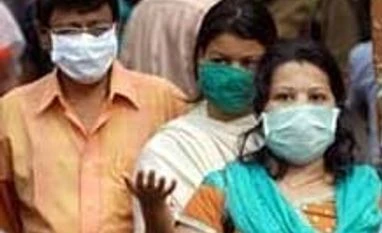 "Medicine to treat swine flu in short supply, govt says no scarcity of drugs")


