
Syrian President Bashar Assad, wife Asma recover from Covid-19 infection
Syria is witnessing a sharp increase in Covid-19 cases
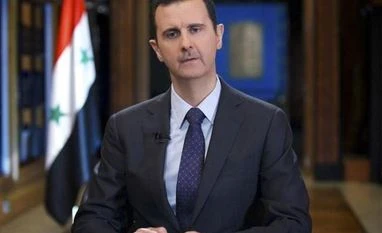 "Syrian President Bashar Assad, wife Asma recover from Covid-19 infection")
WebinarsNew
Deep DiveNew
Explore Business Standard
Syria is witnessing a sharp increase in Covid-19 cases
Syrian President Bashar Assad and his wife have recovered from COVID-19 and returned to their regular duties on Tuesday, three weeks after they had tested positive for the coronavirus, the president's office said.
According to the statement, Syria's first couple had their PCR tests and the results were negative, and the mild symptoms of the virus that they had experienced before were now gone.
Assad, 55, and his wife, Asma, who is 10 years younger and had announced her recovery from breast cancer in 2019, had isolated themselves since testing positive on March 8.
Syria is witnessing a sharp increase in cases. Earlier this month, state media has reported that intensive care units in state hospitals in the capital of Damascus were full and that medical staff have been called to stay on alert to deal with coronavirus patients.
Syria has been mired in civil war for 10 years since anti-government protests that began as part of Arab Spring uprisings turned into an insurgency in response to a military crackdown. A decade of fighting has resulted in the deaths of hundreds of thousands of people and displaced millions.
Syrian authorities have so far registered more than 18,000 cases of the coronavirus and 1,247 deaths in government-held parts of the country, where the first case was reported in March last year.
According to the World Health Organization, there are nearly 21,000 cases in the last rebel stronghold in Syria's northwest along the border with Turkey, as well as some 9,000 cases in areas controlled by U.S.-backed Kurdish-led fighters in the northeast.
The real numbers are believed to be much higher, as testing is limited. Many Syrians cannot afford PCR tests amid the country's severe economic crisis.
The pandemic, which has severely tested even developed countries, has been a major challenge for Syria's health care sector, already depleted by 10 years of conflict. The conflict has killed more than half a million people and displaced half of Syria's pre-war population of 23 million.
WHO said last week it will oversee a coronavirus vaccination campaign in Syria that is expected to start in April, with the aim of inoculating 20 per cent of the population by the end of 2021.
(Only the headline and picture of this report may have been reworked by the Business Standard staff; the rest of the content is auto-generated from a syndicated feed.)
First Published: Mar 30 2021 | 3:24 PM IST


 Connect with us on WhatsApp