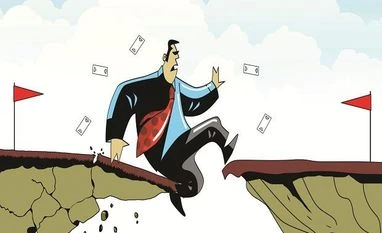
After corporate debt, retail loans face stress amid unemployment, slowdown

The govt has unveiled steps ranging from concessions on vehicle purchases to hastening of capital infusion in state-run banks to help re-ignite an economy that's slowed sharply due to weak consumption

debt
Illustration: Binay Sinha
Ameya Karve and Divya Patil | Bloomberg
2 min read Last Updated : Aug 29 2019 | 8:21 AM IST
Credit analysts are keeping a watchful eye on signs of stress in Indian household debt after unemployment rose to a 45-year high and as lenders grapple with the worst soured debt levels of any major economy.

India’s bad debt malaise has centered on corporate debt, and loans to individuals have been seen as safer and a growth opportunity for banks. Given the slowdown in the economy and a drying-up of credit from shadow banks, analysts are signaling potential risks, though publicly available data on personal loan arrears is sparse.


“There’s stress building up for sure in retail loans,” said Saswata Guha, director for financial institutions at Fitch Ratings. “Whether it manifests into higher defaults will depend on how the economy shapes from here.” 

The government last week unveiled steps ranging from concessions on vehicle purchases to hastening of capital infusion in state-run banks to help re-ignite an economy that’s slowed sharply on the back of weak consumption. Defaults have increased funding pressure at India’s non-bank financiers -- historically an important provider of consumer loans. That’s curtailing their ability to provide loans, and having knock-on effects for consumption, according to Fitch. 


Non-performing retail loans rose to 5.3% of the total retail lending book at State Bank of India -- the nation’s biggest lender -- at the end of June from 4.8% in the previous quarter. The bank has expressed confidence it can control any slippages this quarter.

“We could see trouble among individuals to repay their loans if the stress in the Indian economy rises,” said Dwijendra Srivastava, chief investment officer of debt at Sundaram Asset Management Co in Mumbai. “Businesses in India aren’t doing well, so it may directly hit employment and in turn the ability to repay loans.”  

One subscription. Two world-class reads.

Already subscribed? Log in

Subscribe to read the full story →
*Subscribe to Business Standard digital and get complimentary access to The New York Times

Smart Quarterly

₹900

3 Months

₹300/Month

SAVE 25%

Smart Essential

₹2,700

1 Year

₹225/Month

SAVE 46%
*Complimentary New York Times access for the 2nd year will be given after 12 months

Super Saver

₹3,900

2 Years

₹162/Month

Subscribe

Renews automatically, cancel anytime

Here’s what’s included in our digital subscription plans

Exclusive premium stories online

  • Over 30 premium stories daily, handpicked by our editors

Complimentary Access to The New York Times

  • News, Games, Cooking, Audio, Wirecutter & The Athletic

Business Standard Epaper

  • Digital replica of our daily newspaper — with options to read, save, and share

Curated Newsletters

  • Insights on markets, finance, politics, tech, and more delivered to your inbox

Market Analysis & Investment Insights

  • In-depth market analysis & insights with access to The Smart Investor

Archives

  • Repository of articles and publications dating back to 1997

Ad-free Reading

  • Uninterrupted reading experience with no advertisements

Seamless Access Across All Devices

  • Access Business Standard across devices — mobile, tablet, or PC, via web or app

Topics :unemploymentIndian banking sectorNPA crisis

Next Story