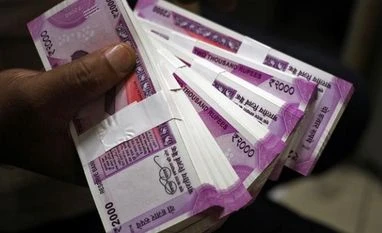
Despite the jute sector’s attempt at paying wages to 250,000-odd workers through electronic transfer to their bank accounts, a section of the workers are likely to face hardship as they don’t have bank accounts. Even those with bank accounts insist on receiving payment through cash as they don’t want to go through the trouble of queuing up at bank ATMs to withdraw money.
“We have attempted to overcome the prevailing crisis by crediting wages to the workers' bank accounts. But, the jute workers want lump sum wages on a fortnightly basis. The present limit on cash withdrawal at banks will not ease their woes,” said a mill owner, who did not wish to be identified.
On an average, a jute worker gets Rs 400 a day. 80% of the 250,000-odd jute workers in producing states are concentrated in West Bengal. Before de-monetisation, workers used to get their wages in cash while miscellaneous payments such as provident fund were done through cheques.
The other challenge for the jute industry is to ensure payments to workers who don’t have bank accounts. This category, which constitutes around 10% of the total workforce, comprises floating workmen hired by agents. They are unregistered and don’t have the requisite documents to open bank accounts.
Raghav Gupta, chairman of Indian Jute Mills Association (IJMA), said: “For the unregistered workers, we’re holding special camps to open bank accounts. Payments to around 80% of the jute workers have already been made and the rest will be covered shortly.”
Gupta admitted the raw jute trade revival remains a matter of concern due to squeeze in supply of currency notes. “Unless the JCI (Jute Corporation of India) takes up commercial jute operations, the revival of raw jute appears bleak. Paucity of cash has affected trading but we are trying to sort it out,” he added.
Normally, raw jute trade worth Rs 400 crore is transacted between November and January of each crop year. But, the ban on old currency notes has crippled trading. Only 35% of the raw jute is procured till now. Traders were unable to procure the new crop or take delivery of raw jute booked earlier as cash had dried out. Being a cash-dominated business, jute trading had plunged into a crisis despite the availability of nine million bales (one bale is 180 kg) to meet the domestic demand.
To tide over the crisis, IJMA has suggested that the Union ministry of textiles provide adequate capital to finance raw jute purchase on a commercial basis by JCI. Although IJMA has not divulged the figure, an industry estimate pegs the fund size at Rs 400 crore.

 "E-payments don't enthuse jute workers")


 Connect with us on WhatsApp