FDI in railways is the way to go in the future: Pawan Bansal
Q&A with former Railway Minister
Aditi Phadnis New Delhi It should have been you, presenting the budget... But my successor has done a magnificent job, considering the circumstances. Given that operating costs continue to rise it is very difficult for anyone to prepare a railway budget: the fact that new trains have been started suggests the minister knows coaches are available. He has done a lot to address safety on Indian Railways. What I am happiest about is that he has continued to make cleanliness in railways a mission: bio-toilets on coaches have been increased which means the tracks will now remain increasingly clean and there will be no stink. Freight has gone up. Vaishno Devi will now be connected by three new destinations on trains. There is some movement on the freight corridor. This is very important.
How can you make railways more effective both in speed and efficiency? It is crucial to increase the speed of trains using existing rolling stock. Given expenditure and revenue constraints, we don’t have the wherewithal to raise money to lay new train lines for fast trains. But it should be possible to use existing lines to make trains increase their speed to 200 km an hour.
The present Railway Minister has emphasised on that. He is saying there is a possibility of fast trains on the Delhi to Agra and Delhi to Chandigarh routes.
If fast trains are a function of money injection then there seems to be no recourse except raising Foreign Direct Investment (FDI) for this sector? My personal opinion is that FDI is the way to go in the future. We have already made provision for last mile FDI in some railway projects, for instance, around collieries.
But there has to be national consensus on this. It cannot be that a government inviting FDI is charged with selling the country’s interest.
What are the political and economic issues involved?
First, consider the anomaly. Bus fares are three to five times train fares. Let me give you an example: the Chandigarh-Amritsar second class fare is Rs 95. But if you get down from the train and take a rickshaw or cab, the fare is at least Rs 50, if not more. At this level, railways cannot make money.
Second, the 7th Pay Commission is round the corner. The report will be out in two years. Consider what the railways will have to pay out when that rpeort comes. As it is the last DA increase marks an increase of 100 per cent in the basic salary of a railways employee from the 6th Pay Commission scales level.
So either we need to increase fares – and people are willing to pay. I saw this myself when I increased fares and the response (in the last railway budget) from the opposition was quite muted.
Given all this, you need a massive injection of funds. When you consider that efficient railways could add as much as 2 per cent to the GDP.
Any comments on other features of the rail budget?
I really like the idea of a green curtain around the tracks. Railways own a lot of land. It is expensive to raise concrete walls around this land. But we can raise resources by using this for advertising and also make the route look scenic by landscaping it.
On tariffs, you had proposed an autonomous tariff authority.
The Rail Tariff Authority proposed by me was cleared by cabinet. This was to be an independent committee headed by a Deputy Governor of the RBI, so that tariff fixation was protected from political interference. This minister has made its proposals recommendatory: which means the government can accept it, but also overturn it.

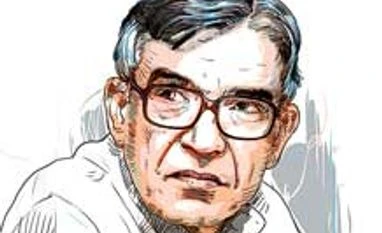 "FDI in railways is the way to go in the future: Pawan Bansal")

