Feb factory PMI strongest in a year
Stands at 52.5, up from 51.4 in January, signalling solid improvement in business conditions across the sector
BS Reporter New Delhi For February, the HSBC Purchasing Managers’ Index (PMI) for the manufacturing sector rose to a year’s high at 52.5 points, against 51.4 in January, showed data released on Monday.
“The Indian manufacturing economy showed signs of strengthening in February, with a faster increase in output and new orders bolstering the PMI to a year’s peak,” said Markit Economics, the financial information firm that compiles the data for the PMI.
A reading of more than 50 shows expansion in the sector, while one below it indicates contraction.
Data released on Friday showed gross domestic product (GDP) had grown 4.7 per cent in the quarter ended December 2013, against 4.8 per cent in the previous quarter. The data showed the manufacturing sector had contracted 1.9 per cent during the quarter, one per cent growth in the previous quarter.
HSBC chief economist for India and the Association of Southeast Asian nations said the recovery in the manufacturing sector would be a gradual one due to structural problems.
The advance estimates for 2013-14 had projected the sector would see 0.2 per cent contraction, the first contraction since 1991-92.
According to Markit Economics, high production in February was boosted by the fact that new orders increased for the fourth consecutive month. Eskesen said, “New order flows have firmed, with the improvement in external demand and the reduction in macroeconomic uncertainty since last summer.” This had aided growth in production, he added.
However, structural issues were still prevalent, and this might hit the potential growth in the sector. The recovery in activity might be protracted, given the lingering structural constraints, said Eskesen.
A few economists feel the PMI data indicates the quarter ending March might witness a slight improvement in the manufacturing sector. “The fourth quarter would be better than the first three in that the contraction could be comparatively less than witnessed previously,” said DK Joshi, chief economist, CRISIL. He, however, added a substantial recovery wasn’t in sight due to political instability ahead of the general elections.
The PMI data showed inflation for input materials rose was the highest in four months. “This might keep RBI (Reserve Bank of India) hawkish and likely compel it to raise rates a bit further this year,” said Eskesen.
Industries have been demanding a policy rate cut from the central bank. However, RBI hasn’t cut the key rate due to the uncomfortably high inflation. It had raised the repo rate by 25 basis points to eight per cent in the third quarter monetary policy review in January, citing high retail inflation. In December, Consumer Price Index-based inflation had eased to a three-month low of 9.87 per cent.
The central bank’s next policy review is scheduled for April 1.
The PMI survey showed the consumer goods segment was the best performing one in the manufacturing sector. The official Index of Industrial Production had shown the durables part of the segment was in shambles for the first nine months of this financial year.

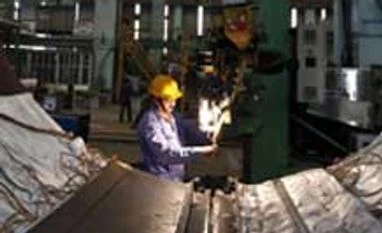 "Feb factory PMI strongest in a year")


 Connect with us on WhatsApp