The Cabinet on Wednesday approved a six per cent hike in dearness allowance (DA) to government employees and pensioners and the Prime Minister's ambitious rural housing scheme to build over 29.4 million houses in rural areas by 2022.
The DA hike will come into effect from January this year. This could make a Rs 14,725-crore hit on the exchequer - Rs 6,796.50 crore on account of DA for employees and Rs 7,929.24 crore for pensioners - for 14 months starting from January 2016, Information & Technology Minister Ravi Shankar Prasad told reporters after the meeting.
The move, which came a day before Holi, would help 10.8 million government employees and retired persons. There are about five million government employees and 5.8 million pensioners. With this, the DA to employees would increase to 125 per cent of their basic pay from the current level of 119 per cent. The Centre revises DA twice in a year on the basis of one-year average of retail inflation for industrial workers. One of them is with effect from January and the other from July. Generally, DA is merged with the basic pay once it becomes 100 per cent of the latter. However, this time, the government has kept the two separate despite DA now standing at 125 per cent of the basic pay.
Employees have been demanding the merger of the two since it would reflect better in their pay structure following acceptance of the Seventh Central Pay Commission report.
The Pradhan Mantri Awaas Yojana is a much-improved version of the existing Indira Awaas Yojana and will subsume it. The new scheme will identify the beneficiaries based on the 2022 Socio-Economic Caste Census and also take the help from the state government. "There would be 10 per cent anticipated variation from the census," Prasad said.
Each unit will be allocated Rs 120,000 in plain areas and Rs 130,000 in hilly areas, as against the existing allocation of Rs 70,000 for plain areas and Rs 80,000 for hilly areas.
Between 2016-17 to 2018-19, the Centre plans to construct around 10 million new dwellings in rural areas out of the total 29.4 million planned. For this, a total sum of Rs 81,975 crore would be required, of which Rs 60,000 crore would be provided through budgetary support, while the remaining would be arranged from National Bank for Agriculture & Rural Development.
"Full transparency will be maintained in the selection of beneficiaries for rural housing and the names of selected households will be displayed in the gram panchayats. That apart, masons engaged in the scheme would be given special training, while help would also be sought from Mahatma Gandhi National Rural Employment Guarantee Scheme," Prasad said.
Earlier, the Centre had cleared a urban housing scheme as part of its ambitious 'Housing for All' programme.

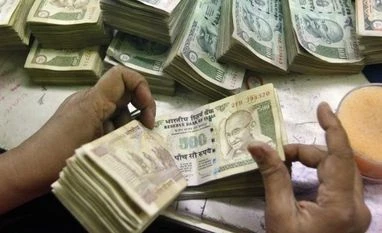 "Govt raises DA by 6%, nod to PM's rural housing plan")


 Connect with us on WhatsApp