I-T dept to use information from banks to nail tax evaders
The dept is considering seeking information on individuals exchanging high-denomination notes in huge numbers
Vrishti Beniwal New Delhi From April 1, as people rush to bank branches to exchange their pre-2005 notes, the income-tax (I-T) department will also be on its toes. The department is gearing itself to use information from banks to nab tax evaders.
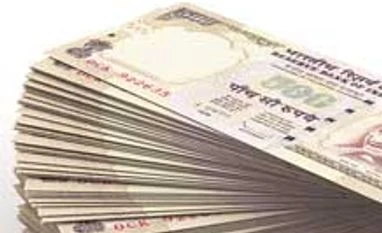
The Reserve Bank of India (RBI) had on Wednesday decided to withdraw all currency notes issued before 2005 and said bank would exchange all such notes brought to their branches by customers, as well as non-customers. In the case of non-customers, the central bank had said, those exchanging more than 10 pieces of Rs 500 and Rs 1,000 notes after June would have to furnish proof of identity and residence.
The I-T department is considering seeking information on individuals exchanging high-denomination notes in huge numbers. It will then match banks' information with its own. If there is a mismatch in the income reported by a person and cash exchanged by him, the taxman will go deeper.
The department had not made any request for withdrawal of these notes from circulation, but it stands to eventually gain from the RBI move, say officials. The move could help officials probe any money trail established by the information from banks.
But RBI has provided an easy three-month window for exchange of notes. Details of identity and residence will not be required for exchange of notes between April 1 and June 30. The I-T department is concerned that many individuals with black money might take advantage of this.
"It could help us collect some data. If somebody is sitting on a huge amount, he can be traced. But since it is not demonetisation, all the black money cannot be unearthed. People have time till June (to exchange notes in bulk without giving any information)," said a tax official, asking not to be named.
The I-T department is already using a lot of banking transaction details for profiling taxpayers and nabbing evaders. It receives in the form of Annual Information Returns information like cash deposits of at least Rs 10 lakh in savings bank accounts in a year and payments of at least Rs 2 lakh in a year through credit cards. But the department doesn't have enough tools to track cash transactions between individuals outside the banking system.
The government has drawn a lot of flak from various quarters for failing to check the menace of black money.
Though the central bank had clarified it regularly withdrew soiled and old notes from circulation and this was a routine exercise, the move was seen as significant because of its timing - ahead of the Lok Sabha elections, likely in the middle of April. Also, the conditions set this time led many to believe it might be an effort to unearth black money.
RBI Governor Raghuram Rajan had, however, later said the assumptions were not correct as the motive was to replace old notes with new ones with greater security features. The demand to replace less secure notes had come from the finance ministry, he had added.
MAKING IT COUNT January 22: RBI decides to fully withdraw from circulation all currency notes issued before 2005; asks the public to visit bank branches after March 31 for exchange of notes
April 1 to June 30: Banks will exchange all pre-2005 currency notes brought by their customers as well as non-customers
July 1 onwards: To exchange more than 10 pieces of Rs 500 and Rs 1,000 notes, non-customers will have to furnish proof of identity and residence; I-T officials intend to use this information to probe any black money trail

 "I-T dept to use information from banks to nail tax evaders")


