India to have a National Electricity Discom, NTPC-Power Grid sign MoU

Move could also usher another round of power distribution reforms such as separation of content and carriage business
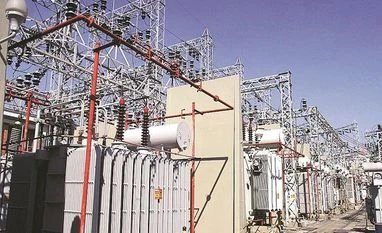
power sector
Shreya Jai New Delhi
2 min read Last Updated : Jun 23 2019 | 12:31 AM IST
Heralding a major change in the power distribution sector of the country, two leading public sector utilities — NTPC and Power Grid Corporation of India — have formed a joint venture to set up National Electricity Distribution Company.

This paves way for NTPC, a leading power generator, and Power Grid, which owns India’s largest power transmission network, to get into consumer electricity supply business. 

The move could also hint at another round of power distribution reforms. 

This includes the separation of content and carriage businesses in power distribution — i.e the infrastructure builder for power supply and the supplier to consumers would be two separate companies. This would bring more competition in the power distribution sector with more than one power supplier. These measures have been suggested in the latest amendments to the Electricity Act, 2003, which is yet to be tabled in Parliament. 

A statement by the spokesperson of the ministry of power said, "An agreement has been entered between Power Grid and NTPC on June 21 for formation of a JV company on 50:50 equity basis for setting up National Electricity Distribution Company Ltd (NEDCL). The main objective of the venture is to undertake the business for distribution of electricity in distribution circles in various states and Union Territories and other related activities."

The announcement comes at a time when the existing reform scheme UDAY has been declared as a failure by several agencies. Launched in 2015, it aimed at turning around the state-owned discoms financially and operationally. While the financial part was concluded with states taking over the losses of discoms and issuing bonds, operational front is facing challenges.

Losses of the state-owned discoms grew by over 40 per cent to Rs 21,658 crore at the end of FY19. At the same time, the dues of discoms to power gencos stood at Rs 38,023 crore

One subscription. Two world-class reads.

Already subscribed? Log in

Subscribe to read the full story →
*Subscribe to Business Standard digital and get complimentary access to The New York Times

Smart Quarterly

₹900

3 Months

₹300/Month

SAVE 25%

Smart Essential

₹2,700

1 Year

₹225/Month

SAVE 46%
*Complimentary New York Times access for the 2nd year will be given after 12 months

Super Saver

₹3,900

2 Years

₹162/Month

Subscribe

Renews automatically, cancel anytime

Here’s what’s included in our digital subscription plans

Exclusive premium stories online

  • Over 30 premium stories daily, handpicked by our editors

Complimentary Access to The New York Times

  • News, Games, Cooking, Audio, Wirecutter & The Athletic

Business Standard Epaper

  • Digital replica of our daily newspaper — with options to read, save, and share

Curated Newsletters

  • Insights on markets, finance, politics, tech, and more delivered to your inbox

Market Analysis & Investment Insights

  • In-depth market analysis & insights with access to The Smart Investor

Archives

  • Repository of articles and publications dating back to 1997

Ad-free Reading

  • Uninterrupted reading experience with no advertisements

Seamless Access Across All Devices

  • Access Business Standard across devices — mobile, tablet, or PC, via web or app

Next Story



