Statsguru: Performance and challenges of co-operative sector in India

Even though a fifth of these cooperatives are in the financial sector, their share has remained low
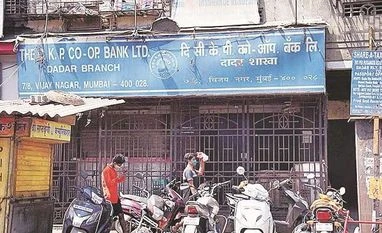
Cooperative banks
While cooperative institutions had overshot their agri credit target in 2015-16; two years later, they achieved 96 per cent of their target
Ishaan Gera
2 min read Last Updated : Jul 26 2021 | 6:10 AM IST

Don't want to miss the best from Business Standard?

Ever since the govern­ment announced the for­mation of a new Ministry of Co-operation — Home Minister Amit Shah is heading the ministry — there has been a renewed interest in the cooperative sector. The growth of cooperatives in the Indian economy has been phenomenal. The number of cooperative societies in the country has nearly doubled from 484,508 in 2000-01 to 854,355 in 2016-17 (chart 1).


Even though a fifth of these cooperatives are in the financial sector, their share has remained low. While cooperatives account for 10.6 per cent of assets, 10.7 per cent of loans and 8.9 per cent of deposits in India, the corresponding figures in France, for instance, are 47, 51 and 47 per cent, respectively (chart 2).


Moreover, the share of cooperatives in agricultural credit has been declining, as scheduled commercial banks have been cornering a larger share of the market. The share of cooperative banks­/­institutions declined to 11.3 per cent in 2019-20 from 16.7 per cent in 2015-16 (chart 3). 


Data from the Reserve Bank of India indicates that cooperative credit institutions have been miss­ing their agricultural targets. While cooperative institutions had overshot their agri credit target in 2015-16; two years later, they achieved 96 per cent of their target. In 2020-21 (till December), only 59 per cent of the target was achieved (chart 4).


In a recent reply in the Rajya Sabha, the finance minister detailed that the non-performing assets (NPA) for coop­er­ative banks were higher than scheduled commercial banks — an indicator of higher stress. Barring state cooperative banks, both district central cooperative banks and urban cooperative banks have higher NPAs — in double digits — com­pared to scheduled commercial banks (chart 5).


The saturation of cooperatives in non-financial sectors has been low as well when compared to countries like China. For instance, in the fertiliser sector, Indian cooperatives account for 35 per cent of production; in China, they control over 80 per cent of the market. In cotton trade, Chinese cooperatives account for 60 per cent share, higher than the 22 per cent in India (chart 6).


(StatsGuru is a weekly feature. Every Monday, Business Standard guides you through the numbers you need to know to make sense of the headlines)

One subscription. Two world-class reads.

Already subscribed? Log in

Subscribe to read the full story →
*Subscribe to Business Standard digital and get complimentary access to The New York Times

Smart Quarterly

₹900

3 Months

₹300/Month

SAVE 25%

Smart Essential

₹2,700

1 Year

₹225/Month

SAVE 46%
*Complimentary New York Times access for the 2nd year will be given after 12 months

Super Saver

₹3,900

2 Years

₹162/Month

Subscribe

Renews automatically, cancel anytime

Here’s what’s included in our digital subscription plans

Exclusive premium stories online

  • Over 30 premium stories daily, handpicked by our editors

Complimentary Access to The New York Times

  • News, Games, Cooking, Audio, Wirecutter & The Athletic

Business Standard Epaper

  • Digital replica of our daily newspaper — with options to read, save, and share

Curated Newsletters

  • Insights on markets, finance, politics, tech, and more delivered to your inbox

Market Analysis & Investment Insights

  • In-depth market analysis & insights with access to The Smart Investor

Archives

  • Repository of articles and publications dating back to 1997

Ad-free Reading

  • Uninterrupted reading experience with no advertisements

Seamless Access Across All Devices

  • Access Business Standard across devices — mobile, tablet, or PC, via web or app

Topics :StatsGuruCo-operative BankBanking sectorIndian EconomyFinance Ministry

Next Story



