France's Sanofi to help rival Pfizer-BioNTech make coronavirus vaccines
The announcement came as delays or production problems for the Pfizer-BioNTech vaccine and a vaccine from Britain''s AstraZeneca have caused political uproar across the European Union
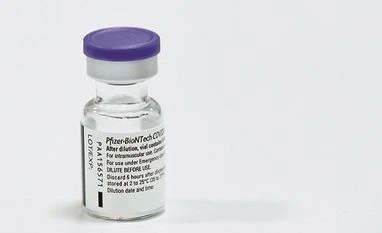
AP Paris In an unusual and potentially groundbreaking decision, French drugmaker Sanofi said Wednesday it will help bottle and package 125 million doses of the coronavirus vaccine developed by its rivals Pfizer and BioNTech, while its own vaccine candidate faces delays.
The announcement came as delays or production problems for the Pfizer-BioNTech vaccine and a vaccine from Britain's AstraZeneca have caused political uproar across the European Union.
The EU's 27-nation vaccination effort has struggled to pick up steam, while more contagious virus variants are spreading fast and COVID-19 deaths are surging anew.
Sanofi's Frankfurt facilities will help with late-stage production of vaccines prepared by Germany-based BioNTech, including bottling and packaging, starting in the summer, according to a Sanofi official. Sanofi did not reveal financial details of the agreement.
According to Thomas Cueni, director of the International Federation of Vaccine Manufacturers, 76% of the world's major vaccine manufacturing capacity is in Europe.
The French government has pressed Sanofi to use its facilities to help make vaccines from its rivals, given the high demand and supply problems.
We are very conscious that the earlier vaccine doses are available, the more lives can potentially be saved, Sanofi CEO Paul Hudson said in a statement.
The deal was announced amid national soul-searching about the failure of French pharmaceutical heavyweights Sanofi and the Pasteur Institute to produce a COVID-19 vaccine so far, and after Sanofi faced a recent strike by French unions over job cuts.
European Union regulators so far have approved using the vaccines from Pfizer-BioNTech and Moderna. The EU regulatory agency is scheduled Friday to consider approval for the vaccine made by AstraZeneca and Oxford University.
Sanofi is still pushing ahead with its own COVID-19 vaccine efforts, including a much-awaited candidate developed with British partner GlaxoSmithKline.
Sanofi said they will start a new phase-2 trial next month. The two companies said last month that their vaccine won't be ready until late 2021 because the shot's effectiveness in older people needed to be improved.
Producing the huge volume of vaccines needed at short notice has been a challenge for drugmakers around the world, but sharing vaccine production from one company to another is challenging. The multiple types of COVID-19 vaccines being used in different countries require different technologies, raw materials, equipment and expertise.
(Only the headline and picture of this report may have been reworked by the Business Standard staff; the rest of the content is auto-generated from a syndicated feed.)

 "France's Sanofi to help rival Pfizer-BioNTech make coronavirus vaccines")


 Connect with us on WhatsApp