Craig Dwyer recently sat in an office above a convenience store in downtown Dublin, scrolling through a database he had compiled of hundreds of online ads that have popped up about Ireland’s abortion referendum on Friday.
Dwyer, who co-founded an election transparency group, pulled up one anti-abortion YouTube video that had only a few views when it was posted last year. After the video was republished as a referendum campaign ad on Facebook by a group from an unknown location, it attracted more than 1.2 million views, he said. He also showed an anti-abortion ad on Facebook that purported to be from an unbiased organisation, but was also purchased by a buyer who couldn’t be traced.
With such ads on the rise, Facebook and Google took aggressive steps this month to prevent foreign meddling ahead of Ireland’s vote. Facebook blocked ads related to the abortion campaign from groups outside Ireland, while Google banned all referendum-related spots altogether. “With social media in this campaign, our democracy is up for sale to the highest bidder and we’re blindfolded at the auction,” said Dwyer, 28, who runs the Transparent Referendum Initiative, which is pushing for new campaign disclosure laws for digital advertising.
Ireland has turned into a test case of whether Facebook and Google can thwart foreign groups from influencing elections, and misinformation from spreading. For months leading to Friday’s vote on whether to lift a constitutional ban on abortion, online ads on the issue became increasingly common from international groups attempting to sway the outcome. Of the 280 groups that since February had bought ads on Facebook tied to the abortion vote, 14 per cent were based outside the country or in an untraceable location, according to Dwyer’s group.
How Facebook and Google have responded to these ads is being closely scrutinised because it foreshadows what the companies may try in the United States and elsewhere to keep elections unsullied.
Read this article for free
Register to continue reading premium journalism and analysis from Business Standard.

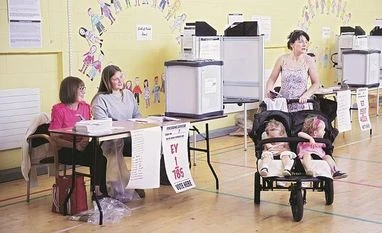 "Ireland's abortion vote becomes a test for Facebook, Google")












 Connect with us on WhatsApp